
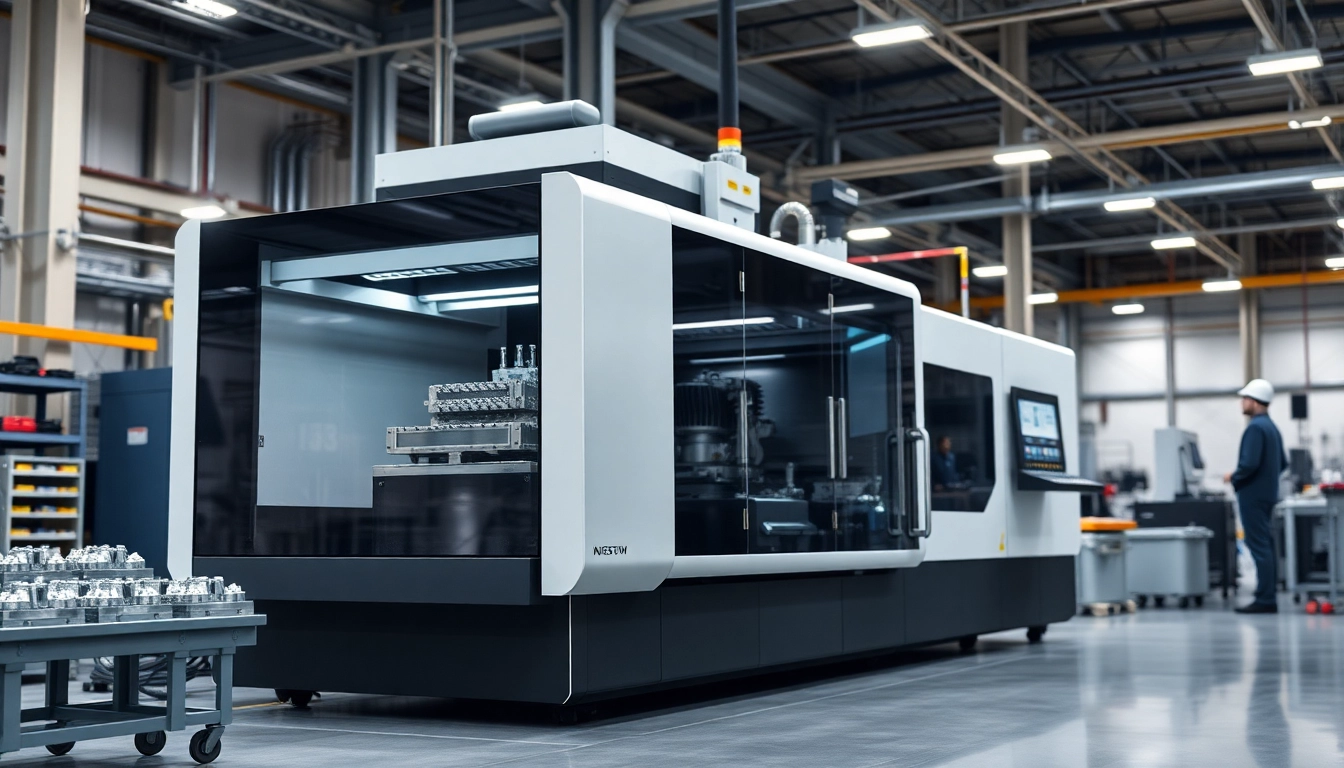
The Evolution of Injection Molding Machines
The injection molding industry has seen transformative advancements over the last few decades, evolving from simple hydraulic machines to sophisticated electric and hybrid systems. These developments not only enhance productivity but also contribute significantly to sustainability and efficiency in manufacturing. A key player in this evolution is the Injection Molding Machine, which serves various industries, including automotive, consumer goods, and medical sectors.
Historical Development and Key Milestones
Injection molding, as a manufacturing process, dates back to the 19th century when it was initially conceived to make simple celluloid items. Over the years, key milestones have shaped the industry:
- 1920s: The first injection molding machine was invented, which was primarily made of wood and used for creating small plastic items.
- 1950s: The introduction of hydraulic machines revolutionized the industry, enabling the production of more complex shapes and larger volumes.
- 1990s: The advent of computer-controlled machines began to allow for more precise manufacturing processes.
- 2000s: The rise of electric injection molding machines marked a significant breakthrough, enhancing energy efficiency and reducing environmental impact.
Current Trends in Injection Molding Technologies
Today’s trends focus on energy efficiency, automation, and customization. Electric machines like Topstar’s TEII series are gaining popularity due to their rapid cycle times and reduced energy consumption. Hybrid models, which combine features of hydraulic and electric machines, provide flexibility and efficiency tailored to specific manufacturing needs.
Future Innovations on the Horizon
With the industry continuously evolving, future innovations are likely to include advanced materials and more integrated automation solutions. Technologies such as artificial intelligence and machine learning are expected to further optimize production processes, improve quality control, and predict maintenance needs.
Understanding Injection Molding Machine Components
A comprehensive understanding of injection molding machines requires familiarity with their main components. Each part plays a critical role in ensuring efficient operation and high-quality output.
Main Parts and Their Functions Explained
The essential components of an injection molding machine include:
- Clamping Unit: Responsible for opening and closing the mold, it ensures proper sealing during the injection process.
- Injection Unit: This part melts the plastic material and injects it into the mold.
- Control System: Allows operators to manage machine settings and monitor performance metrics.
- Mold: The heart of the process, where the plastic takes its final shape.
Comparative Analysis of Electric and Hydraulic Machines
Electric and hydraulic injection molding machines each have their advantages. Electric machines offer:
- Higher precision and repeatability due to servo-driven motors.
- Reduced energy consumption, making them more environmentally friendly.
- Less maintenance because of fewer moving parts.
Conversely, hydraulic machines are capable of producing larger parts and may be more cost-effective for certain high-production environments. The choice between the two often depends on specific production needs and budget considerations.
Best Practices for Maintenance and Longevity
To ensure the longevity of injection molding machines, regular maintenance is crucial:
- Conduct routine inspections of hydraulic fluids and levels.
- Keep the injection unit clean to prevent material buildup.
- Regularly calibrate the control system for accurate performance.
- Train operators on best practices to reduce wear and tear.
Applications of Injection Molding Machines Across Industries
Injection molding machines serve a variety of sectors by enabling the mass production of precise and complex shapes efficiently.
Consumer Products: From Toys to Electronics
The consumer goods market relies heavily on injection molding for producing everything from toys to electronic housings. The ability to customize molds allows manufacturers to quickly iterate on designs and respond to consumer trends.
Automotive Industry: Innovations and Efficiency
In the automotive sector, injection molding is crucial for manufacturing components like dashboards, panels, and even entire assemblies. Innovations such as lightweight materials and integrated processes help improve vehicle efficiency and performance.
Medical Devices: Precision and Compliance Requirements
The medical industry mandates strict compliance with safety standards. Injection molding machines are essential for producing high-quality, sterile components, including surgical instruments and medical devices. The focus on precision ensures that these components meet the exacting standards required for healthcare applications.
Efficiency and Sustainability in Injection Molding
As industries face increasing pressure to operate sustainably, the injection molding process is adapting to meet these challenges effectively.
Energy Consumption and Cost Optimization Strategies
One of the most significant advantages of modern injection molding machines, especially electric models, is their reduced energy consumption. Implementing energy-efficient practices can lead to substantial cost savings. Companies can optimize cycle times and reduce material waste, increasing profitability while being environmentally conscious.
Reducing Waste and Enhancing Recycling Efforts
Minimizing waste is integral to sustainable manufacturing. Injection molding processes can incorporate recycled materials, thereby reducing landfill contributions. Innovations like in-mold labeling are also leading to more efficient recycling practices for end products.
Regulatory Compliance in Sustainable Manufacturing
Adhering to environmental regulations is crucial for manufacturers. Injection molding operations are increasingly adopting green practices to meet compliance while enhancing their market reputation.
Getting Started with Your Injection Molding Project
Beginning an injection molding project requires careful planning and consideration of various factors to ensure success.
Choosing the Right Injection Molding Machine for Your Needs
When selecting an injection molding machine, it’s essential to consider factors such as production volume, part complexity, and material types. Understanding these parameters helps to identify the best machine for achieving operational efficiency.
Step-by-Step Guide to Setting Up Your Production Line
Setting up an injection molding line involves various stages:
- Defining product specifications and requirements.
- Selecting suitable machines and molds.
- Creating a layout that maximizes workflow.
- Conducting trials to ensure product quality and machine reliability.
Assessing Return on Investment and Performance Metrics
Monitoring performance metrics is vital for evaluating the success of an injection molding project. Key performance indicators (KPIs), such as cycle time, yield rates, and machine uptime, provide valuable insights into operational efficiency. Ensuring a positive return on investment (ROI) will ultimately guide future decisions in the manufacturing process.
