
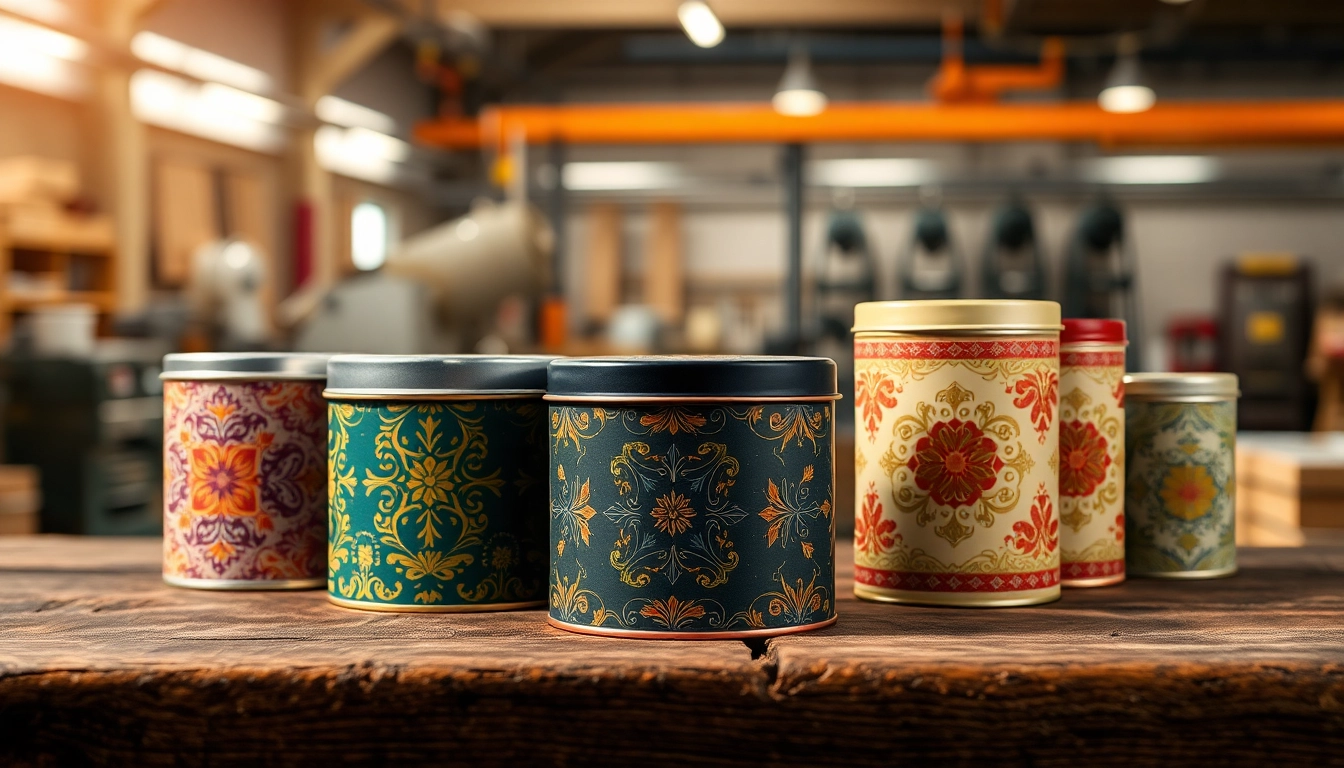
Understanding Custom Tins: What They Are and Their Benefits
Custom tins have become an essential packaging solution for brands across various industries due to their versatility and aesthetic appeal. These durable metal containers are not only effective for protecting products but also serve as powerful marketing tools. When exploring options, custom tins offer comprehensive insights into how packaging can elevate your brand identity and enhance customer engagement. This article will delve into the definition, advantages, and various applications of custom tins, providing a detailed understanding of their value.
Defining Custom Tins and Their Uses
Custom tins are specially designed metal containers used for packaging a wide variety of products ranging from food and beverages to cosmetics and gifts. Unlike standard packaging solutions, custom tins can be tailored in shape, size, and design to meet specific branding and functional requirements. Their versatility makes them an exceptional choice for brands seeking to stand out in a competitive marketplace.
Some common uses of custom tins include:
- Food products such as cookies, candies, and gourmet treats
- Cosmetics and personal care items
- Promotional merchandise and corporate gifts
- Seasonal products, such as holiday-themed packaging
Advantages of Choosing Custom Tins for Your Brand
Opting for custom tins yields numerous benefits that can significantly impact your brand’s success. Here are a few advantages:
- Durability: Metal tins offer superior protection against environmental factors, ensuring product integrity.
- Reusability: Well-designed tins can be reused, enhancing the perceived value of your product.
- Customization: With full control over design, brands can incorporate logos, colors, and unique shapes to resonate with their target audience.
- Eco-friendliness: Tin is recyclable, making it a sustainable option compared to plastic packaging.
Common Applications of Custom Tins in Various Industries
Custom tins are utilized across numerous industries, enhancing branding and product visibility. Some common applications include:
- Food and Beverage: Tins are widely used for packaging snacks, teas, and specialty foods, often designed with eye-catching graphics that attract consumers.
- Health and Beauty: Brands in this sector often use custom tins for creams, oils, and balms, benefitting from both the premium aesthetic and protective features.
- Corporate Gifts: Companies frequently choose custom tins for promotional items, utilizing the branding potential for marketing campaigns.
- Seasonal Promotions: Custom tins are perfect for holiday specials, such as gift sets, increasing sales during peak times.
Designing Your Custom Tins: Key Considerations
Popular Styles and Shapes of Custom Tins
When designing custom tins, it is crucial to consider the various styles available. Popular options include:
- Round Tins: Ideal for a classic look, commonly used for cookies and small gifts.
- Rectangular Tins: Versatile for both food and non-food items; they provide ample space for branding.
- Specialty Shapes: Custom shapes can create a unique presence on the shelf and appeal to niche markets.
Essential Elements of Effective Custom Tin Design
Effective design goes beyond aesthetics; it should communicate your brand message and enhance functionality. Key elements to consider include:
- Branding: Incorporate your logo prominently and ensure that colors align with your brand identity.
- Product Information: Necessary details about the contents should be clear and legible, ensuring compliance with regulatory standards.
- Unique Features: Options such as embossing or window cuts can provide a tactile experience for potential customers.
Choosing Colors and Finishes for Maximum Impact
The choice of colors and finishes can significantly affect consumer perception. Bright, bold colors typically attract attention, while muted tones convey elegance. Additionally, finishes such as matte, gloss, or metallic can enhance the visual appeal and consumer experience. It’s important to select colors and finishes that resonate with your target audience while still aligning with your brand’s image.
Production Process: How Custom Tins Are Made
Step-by-Step Guide to Manufacturing Custom Tins
The production of custom tins involves several critical steps:
- Design Approval: Before production starts, a design is created and approved by the client.
- Material Sourcing: High-quality tinplate is sourced, ensuring durability and compliance with safety standards.
- Shaping: The tin is cut and shaped using advanced machinery.
- Printing: High-quality printing techniques are employed to apply the design to the tin.
- Assembly: Finally, different components like lids are assembled to complete the product.
Quality Control Measures in Custom Tin Production
Quality control is essential to ensure that custom tins meet industry standards and client expectations. Manufacturers typically implement the following measures:
- Material Testing: All raw materials undergo rigorous testing for quality and safety.
- Production Checks: Regular checks during manufacturing help catch any defects early in the process.
- Final Inspection: Completed tins are thoroughly inspected to ensure they meet the required specifications.
Choosing the Right Manufacturer for Your Custom Tins
Selecting a manufacturer is a critical decision that can affect the quality and effectiveness of your custom tins. When choosing a partner, consider their experience, production capabilities, and customer service. Look for manufacturers who offer a range of customization options and have a proven track record in producing high-quality packaging solutions.
Marketing Strategies Using Custom Tins
Leveraging Custom Tins for Brand Promotion
Custom tins can serve as a dynamic marketing tool. Their unique designs can captivate customers, while their reusability enhances brand visibility. Consider these strategies:
- Social Media Engagement: Encourage customers to share images of your product on social media, utilizing your custom tin as a focal point.
- Gift Packaging: Offer custom tins as part of gift sets to enhance perceived value and attract gift shoppers.
- Promotions and Events: Use custom tins as giveaways at events to create buzz around your brand.
Case Studies: Successful Brands Utilizing Custom Tins
Several brands have effectively utilized custom tins in their marketing strategies. For example, gourmet cookie brands often package their products in beautifully designed tins that not only keep the cookies fresh but also serve as attractive gifts. Additionally, cosmetics brands frequently use custom tins for their collections, making the packaging part of the product’s allure.
Seasonal Promotions and Custom Tin Offers
Utilizing custom tins during seasonal promotions can significantly boost sales. Brands can create limited-edition designs for holidays, which encourages consumers to purchase these exclusive items. Incorporating themes and festive colors enhances the appeal during such times, attracting both new and returning customers.
Future Trends in Custom Tins: Looking Ahead to 2025
Emerging Designs and Sustainability in Tin Packaging
The future of custom tins appears promising, with a strong focus on sustainability and innovative designs. Manufacturers are expected to adopt more eco-friendly practices, including using recyclable materials and eco-conscious printing methods. Designs that incorporate minimalism and functionality will likely become more popular, appealing to the modern consumer’s preferences.
Technological Advances Impacting Custom Tin Manufacturing
Technological advancements are poised to revolutionize the production of custom tins. Innovations in printing technology, such as digital printing, will allow for more intricate designs and shorter production runs. Automation and improved manufacturing processes will increase efficiency, reducing lead times and costs.
Predictions for the Custom Tins Market in 2025 and Beyond
Experts predict that the custom tins market will continue to grow as brands seek novel packaging solutions that enhance their image while offering durability and functionality. The trend towards personalization will likely drive demand, allowing consumers to choose bespoke packaging that reflects their preferences and values.