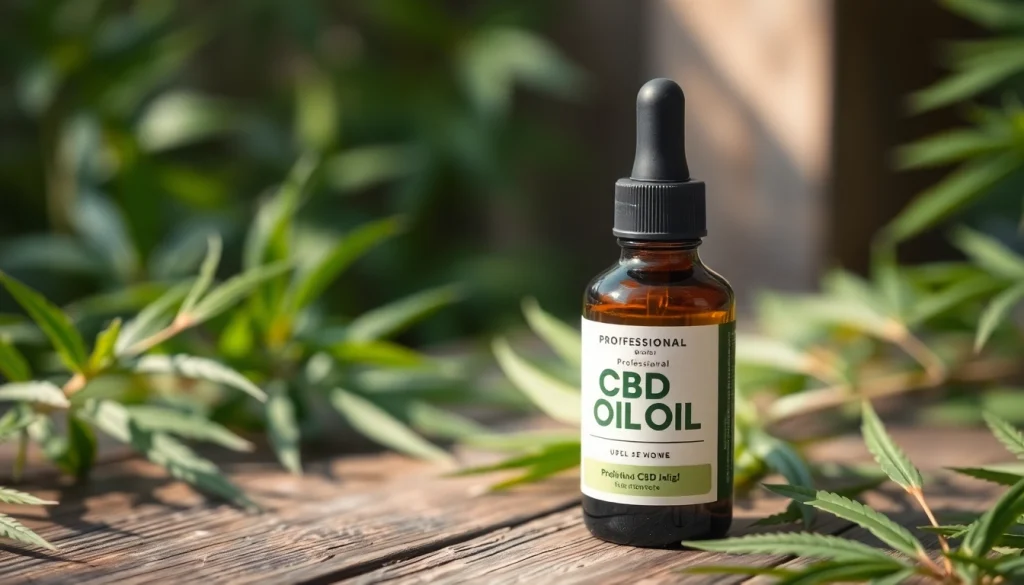
Understanding CBD Oil and Its Origins
What is CBD Oil?
Cannabidiol, commonly known as CBD, is one of the numerous cannabinoids found in the cannabis plant. Unlike its more famous relative, THC (tetrahydrocannabinol), CBD does not produce psychoactive effects, meaning it won’t get users “high.” This non-psychoactive property has made CBD a popular choice for those seeking therapeutic benefits without the mind-altering side effects associated with marijuana. CBD Oil is typically derived from hemp, a cannabis plant that boasts low levels of THC and can be cultivated legally in many regions, thanks to recent changes in laws and regulations governing hemp production.
Sources of CBD Oil
The primary source of CBD oil is the hemp plant, which belongs to the Cannabis sativa family but is distinct due to its minimal THC levels. Hemp is typically grown for industrial purposes, including textiles, food products, and health supplements. The most common method for sourcing CBD oil is through extraction from the plant’s flowers, seeds, and stems, where cannabinoids are most concentrated. Additionally, CBD can also be derived from high-CBD strains of cannabis. Understanding the source of CBD oil is crucial for consumers concerned about quality and efficacy, as well as potential exposure to THC or other compounds.
How CBD Oil is Extracted
Extraction methods play a significant role in determining the purity and effectiveness of CBD oil. Several techniques are commonly employed:
- CO2 Extraction: This is considered the gold standard for extracting CBD oil, utilizing carbon dioxide at high pressure and low temperatures to pull cannabinoids efficiently without damaging them.
- Solvent Extraction: Solvents like ethanol or butane can be used to dissolve the CBD, though it can leave behind harmful residues if not performed correctly.
- Olive Oil Extraction: While less common, this method involves heating olive oil with the plant material, resulting in a safe and natural product, although with a shorter shelf life.
The extraction method used can influence the quality, flavor, and aroma of the final product, making it important to choose carefully sourced products from reputable suppliers.
Health Benefits of CBD Oil
CDB Oil for Pain Relief
One of the most celebrated applications of CBD oil is its potential for relieving pain. Evidence suggests that CBD interacts with the endocannabinoid system in the body, which plays a key role in regulating pain and inflammation. Studies have indicated that CBD may help manage chronic pain conditions, including arthritis and multiple sclerosis. Moreover, it may reduce nerve pain and improve overall pain management by reducing inflammation at a cellular level, making it a valuable alternative to traditional pain relief therapies.
Reducing Anxiety and Stress with CBD Oil
Many individuals turn to CBD oil as a natural remedy for anxiety and stress. Research has shown that CBD can have a soothing effect on the nervous system, potentially helping to alleviate feelings of anxiety. By interacting with receptors in the brain associated with mood regulation, CBD may enhance serotonergic transmission, which helps improve mood and regulate anxiety levels. This means that for those suffering from generalized anxiety disorder, social anxiety, or PTSD, CBD oil may provide a gentle, non-invasive option for relief.
CBD Oil and Inflammation Management
CBD’s anti-inflammatory properties make it a compelling option for those looking to manage various conditions associated with chronic inflammation. Studies have shown that CBD can inhibit the production of inflammatory markers in the body, thereby aiding in conditions such as inflammatory bowel disease, rheumatoid arthritis, and acne. Its ability to modulate the immune response while reducing inflammation presents an innovative approach to managing degenerative diseases and skin conditions that stem from inflammation.
How to Choose High-Quality CBD Oil
Understanding Product Labels
When it comes to purchasing CBD oil, understanding product labels is paramount. Consumers should look for key information, including:
- Cannabinoid Content: This indicates how much CBD is present in the product, usually measured in milligrams.
- THC Levels: Understanding the THC content is essential to ensure you remain within legal limits and avoid psychoactive effects.
- Ingredients: Check for the presence of other active compounds and fillers. High-quality CBD oils should contain natural ingredients without harmful additives.
Labels should also clearly state whether the product is full-spectrum, broad-spectrum, or an isolate, as these terms denote different formulations and benefits.
Types of CBD Oil
There are three primary types of CBD oil: full-spectrum, broad-spectrum, and CBD isolate. Each type offers distinct advantages:
- Full-Spectrum: Contains all cannabinoids naturally found in the cannabis plant, including trace amounts of THC, providing an entourage effect that may enhance therapeutic benefits.
- Broad-Spectrum: Similar to full-spectrum but devoid of THC, making it a suitable option for individuals who want the benefits of multiple cannabinoids without any THC.
- CBD Isolate: Pure CBD, without other cannabinoids or terpenes, making it ideal for those who want to avoid even trace amounts of THC.
Choosing the right type depends on personal preferences, health considerations, and legal regulations in your area.
Third-Party Lab Testing Importance
Third-party lab testing is crucial for validating the quality and potency of CBD oil. Reputable manufacturers will provide or make available certificates of analysis (COAs) from independent labs, confirming the contents of their products. This testing ensures that:
- The product contains the labeled amount of CBD.
- It is free from harmful pesticides, heavy metals, and toxins.
Consumers should always seek products with transparent testing histories to guarantee that they are using safe and effective CBD oil.
Best Practices for Using CBD Oil
Dosage Guidelines for CBD Oil
Determining the correct dosage of CBD oil can vary significantly between individuals, dependent on factors such as body weight, metabolism, and the condition being treated. A general guideline often recommended is to start low and gradually increase the dosage until the desired effects are achieved. Typical dosages range from 5 to 20 mg per day, but some individuals may need higher doses for more significant relief. Consulting a healthcare provider familiar with CBD is advisable to personalize dosage according to individual needs.
Methods of Consumption
CBD oil can be consumed in various ways, which impacts its absorption and effects:
- Sublingual Administration: Placing the oil under the tongue allows for quicker absorption into the bloodstream.
- Ingesting: Adding CBD oil to food or beverages is an easy method for those who may dislike the taste, although it may take longer to feel effects.
- Topical Application: For localized relief, CBD oil can be applied to the skin, providing direct benefits to areas suffering from pain or inflammation.
The method of consumption can impact the onset time and overall effectiveness, making it important to choose one that fits your lifestyle and needs.
Possible Side Effects of CBD Oil
Although generally considered safe, CBD oil can have side effects for some individuals. Reports suggest potential adverse effects, including:
- Dry mouth
- Drowsiness or fatigue
- Changes in appetite or weight
- Nausea
It’s crucial to monitor how your body reacts to CBD oil and to consult with a healthcare professional if you experience any concerning symptoms, particularly if you’re taking other medications that might interact with CBD.
Legality and Regulations Surrounding CBD Oil
Understanding Federal Laws on CBD Oil
The legal landscape surrounding CBD oil is evolving. Under the 2018 Farm Bill, hemp-derived CBD with less than 0.3% THC was legalized at the federal level, allowing for its production and sale across the United States. However, the legality may still vary by state, which can lead to confusion. It’s vital to familiarize yourself with both federal and state regulations to ensure compliance when purchasing and using CBD oil.
State Regulations for CBD Oil
In addition to federal laws, individual states may have their own regulations concerning CBD oil. Some states have more restrictive laws, prohibiting sales or limiting the THC content, whereas others may allow broader access. Consumers should verify their local laws concerning CBD oil to avoid legal complications and ensure they are adhering to all regulations.
CBD Oil in the Market Place
The marketplace for CBD oil is rapidly expanding, which comes with both opportunities and challenges. An increase in demand has led to a proliferation of brands and products, but not all of them are created equally. Issues with product quality, misleading labels, and lack of proper testing are concerns consumers must navigate. Educating oneself on what to look for can help in identifying high-quality products that meet safety and efficacy standards.