
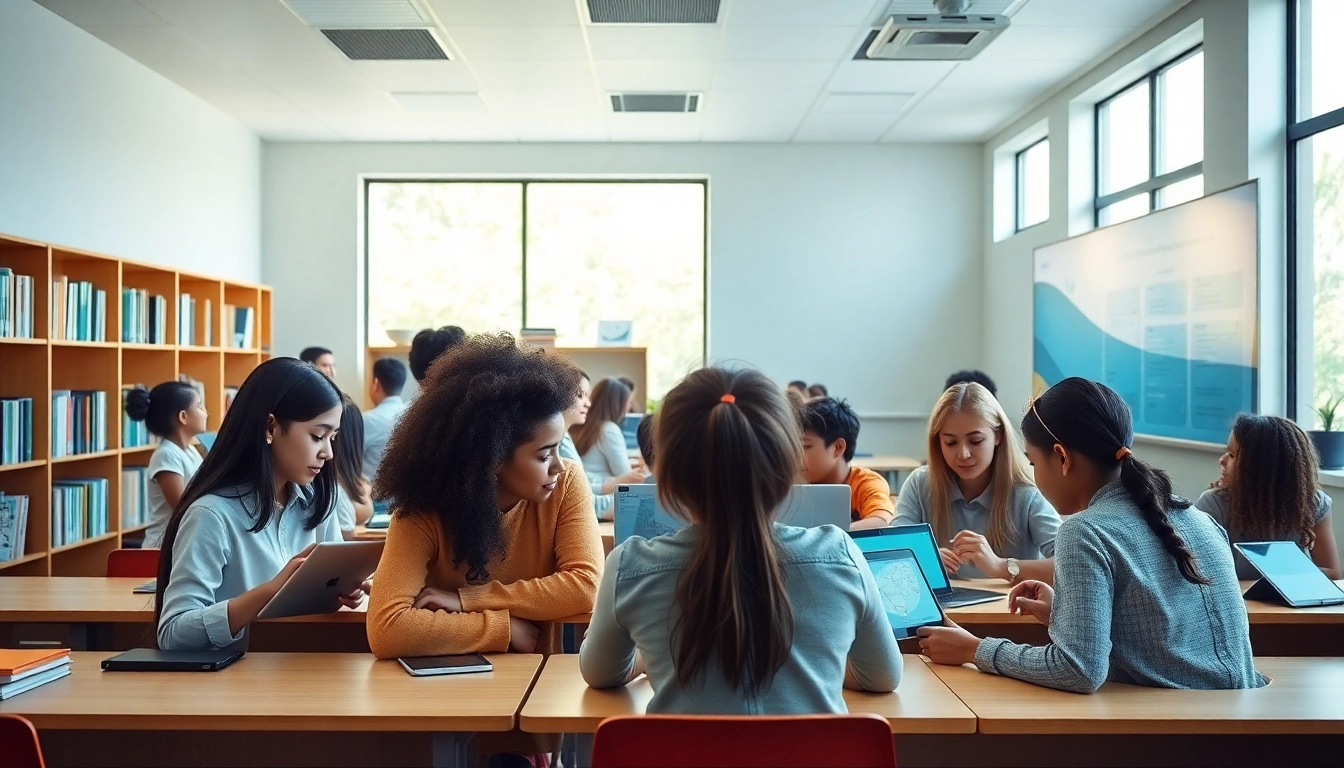
Understanding the Landscape of Education in 2026
As we move towards 2026, the educational landscape continues to evolve, shaped by diverse influences such as technology, policy changes, and shifting societal needs. Understanding these dynamics is vital for educators, policymakers, and advocates like Dr. Matthew Lynch, who is committed to promoting reforms that ensure freedom, equality, and justice in education. The transformation of education is both an opportunity and a challenge, demanding innovative thinking and strategies for implementation.
The Evolution of Educational Systems
The history of education is marked by significant milestones, from ancient pedagogies to modern, technology-driven methodologies. In recent years, educational systems have increasingly focused on student-centered learning, which prioritizes the needs and interests of learners over traditional, one-size-fits-all approaches. This shift is integral in creating inclusive environments that cater to diverse student populations, paving the way for equitable access to quality education.
Moreover, educational reforms across various regions showcase an ongoing effort to adapt curricula that reflect contemporary realities, such as global citizenship, environmental sustainability, and digital literacy. Such adaptations are essential for equipping students with the skills necessary for future success in an interconnected world.
Key Trends Shaping Future Learning Environments
Several key trends are currently reshaping learning environments across the globe. Foremost among these is the incorporation of technology into classrooms. The rise of online learning platforms, artificial intelligence, and virtual reality experiences are revolutionizing how students engage with content and each other. This tech integration allows for personalized learning experiences and supports diverse learning styles and paces.
- Personalized Learning: This approach uses data analytics to tailor educational experiences to individual student needs, fostering deeper understanding and engagement.
- Collaborative Learning: Utilizing digital tools, students can collaborate on projects, breaking down geographical barriers and enhancing their ability to work in teams.
- Inclusive Education: New methodologies focus on addressing the needs of all students, particularly those from marginalized backgrounds, ensuring that education is accessible and equitable.
The Role of Technology in Modern Education
Technology has become a cornerstone of modern education, facilitating innovative teaching methods and enhancing the learning experience. From interactive platforms that gamify learning to comprehensive Learning Management Systems (LMS) that streamline administrative tasks, technology empowers educators and students alike.
Furthermore, the increasing availability of resources and professional development through online channels equips teachers to better implement technology in their pedagogies. However, it is crucial to address the digital divide—an issue that still affects many communities—ensuring equal access for all students.
Education Equity: A Pathway to Justice
Education equity is a critical issue that addresses the disparities experienced by underrepresented communities. As educators and advocates work to level the playing field, it becomes essential to define what education equity means in today's context and how it can be achieved.
Defining Education Equity in Today’s Context
Education equity refers to the principle of fairness in educational opportunities, resources, and outcomes for all students, regardless of their backgrounds. This involves recognizing and addressing systemic barriers that disproportionately affect marginalized groups. Achieving education equity is not only a moral imperative but also essential for fostering a just society.
Challenges Facing Underrepresented Communities
Despite progress, significant challenges persist in achieving education equity. Many underrepresented communities continue to grapple with insufficient resources, inadequate facilities, and limited access to advanced learning opportunities. The COVID-19 pandemic further exacerbated these issues, highlighting the necessity of focusing on vulnerable populations affected by systemic inequities.
Strategies for Promoting Equal Opportunities
To foster education equity, several strategies can be employed:
- Targeted Funding: Allocating resources to schools in underserved areas can help bridge the gap in access to quality education.
- Inclusive Policies: Implementing policies that support diverse learning needs and backgrounds is essential to ensure every student has the chance to succeed.
- Community Engagement: Involving local communities in the decision-making processes regarding educational initiatives can lead to more relevant and effective reforms.
Innovative Approaches to Education Reform
As the education sector continues to evolve, innovative approaches to reform are crucial for addressing the needs of today’s learners. These methods often emphasize experiential learning and active participation, ensuring that education is engaging and relevant.
Project-Based Learning as a Reform Strategy
Project-Based Learning (PBL) is an instructional method that encourages students to learn by engaging in real-world projects. This hands-on approach not only enhances understanding but also fosters critical thinking and collaboration. By allowing students to explore topics of interest deeply, PBL cultivates a passion for learning and prepares students for future challenges.
The Flipped Classroom Model Explained
The flipped classroom model inverts the traditional learning environment by delivering instructional content, often online, outside the classroom. This approach allows for hands-on activities and discussions during class time, maximizing engagement and enabling teachers to provide personalized support. As a result, both educators and students benefit from a more dynamic learning environment.
Integrating Social-Emotional Learning in Curricula
Social-Emotional Learning (SEL) focuses on developing students' emotional intelligence, interpersonal skills, and resilience. Integrating SEL into curricula can facilitate a supportive classroom environment, essential for fostering student well-being and academic success. By prioritizing mental health and emotional development alongside academic achievement, schools can cultivate well-rounded individuals prepared for life beyond the classroom.
Investing in Education: Funding and Resources
Investment in education is pivotal for sustainable reform and improvement in outcomes. Whether through public funding, private investments, or community-driven efforts, the allocation of resources significantly impacts educational quality and equity.
The Importance of Investment in Educational Reform
Investing in education is not just a financial obligation but a societal imperative. Quality education contributes to economic stability and growth, making it essential for nations to prioritize educational funding. Moreover, targeted investments can play a vital role in addressing disparities and ensuring that all students receive a quality education.
Public vs. Private Funding: A Comparative Study
Understanding the differences between public and private funding sources is crucial in evaluating educational reform strategies. Public funding typically aims to provide equal opportunities across school districts, while private funding may focus on specific initiatives or innovative programs. Both funding sources can complement each other, but it is essential to ensure that private interests do not overshadow public needs.
Community Engagement in Funding Educational Initiatives
Community involvement in educational funding initiatives can enhance support and ensure that resources align with local needs. Engaging stakeholders, including parents, local businesses, and community organizations, fosters a sense of ownership and accountability, ultimately contributing to more effective educational policies and practices.
Looking Ahead: The Future of Education Beyond 2026
As we project into the future, it is essential to consider how global education will evolve and what challenges may arise. Preparing for these prospects requires foresight, adaptability, and a commitment to continuous improvement in educational practices.
Predictions for Global Education Trends
Future education trends are likely to include an increased focus on interdisciplinary learning, data-driven decision-making, and enhanced collaboration across borders. Emphasizing global citizenship will prepare students to navigate a complex, interconnected world, thereby fostering mutual understanding and cooperation.
How to Prepare for Future Challenges in Education
To tackle potential challenges in education, stakeholders must engage in proactive planning and resource allocation. This includes investing in professional development for educators and incorporating feedback from diverse communities to ensure that educational practices remain relevant and impactful.
Building a Sustainable Education Model for All
Ultimately, the goal of education reform should be to create a sustainable model that serves all students equitably. This requires a commitment to continuous evaluation, stakeholder engagement, and a focus on long-term outcomes. By fostering collaboration among educators, policymakers, and communities, we can work towards a future where education truly is a doorway to freedom, equality, and justice.