
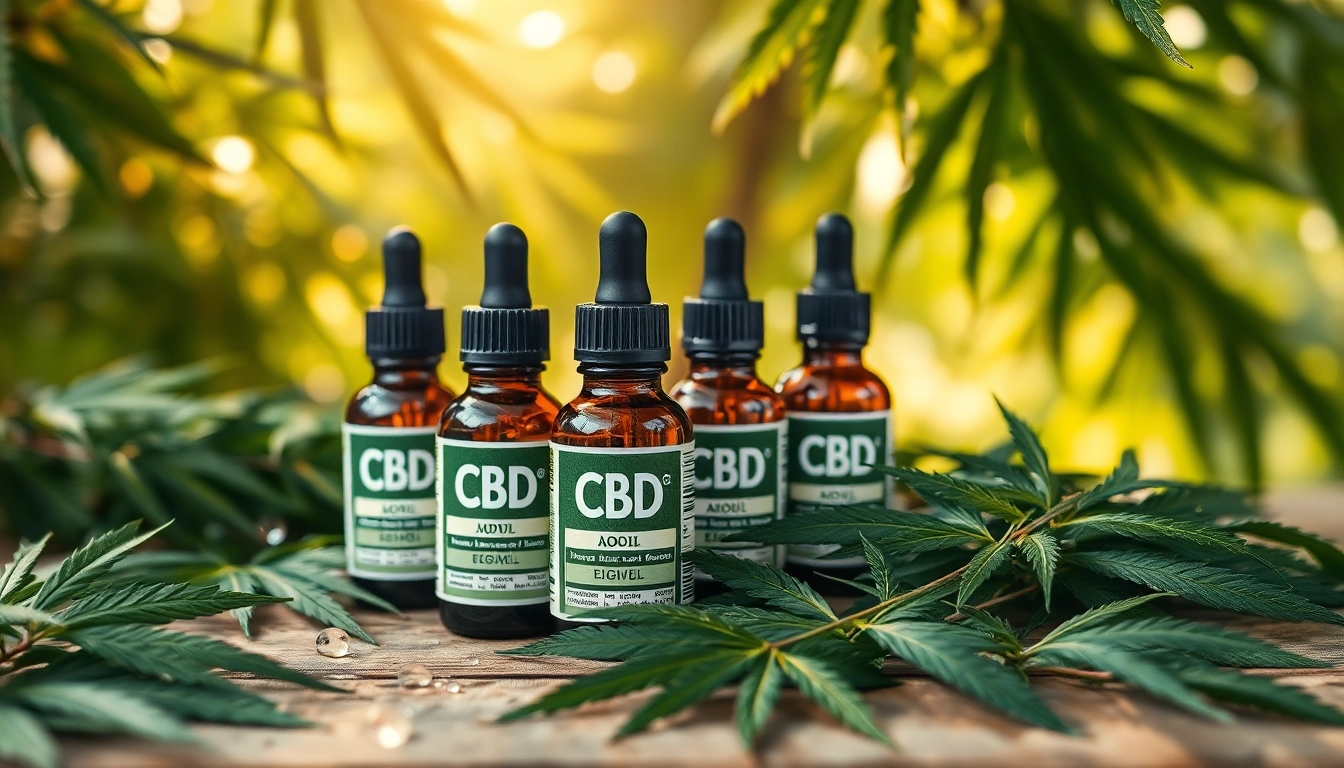
Understanding CBD: An Overview
What is CBD?
Cannabidiol, commonly abbreviated as CBD, is a chemical compound derived from the cannabis plant. It is recognized as a non-psychoactive cannabinoid, which means it does not induce the euphoric "high" typically associated with marijuana usage. Instead, CBD interacts with the body’s endocannabinoid system (ECS), which plays a crucial role in regulating various physiological processes such as mood, sleep, appetite, and pain sensations. Initially discovered in the 1940s, CBD has garnered significant attention in recent years due to the rising interest in its potential therapeutic applications.
The Difference Between CBD and THC
The cannabis plant houses over a hundred different cannabinoids, with two of the most notable being CBD and tetrahydrocannabinol (THC). Both compounds impact the body’s ECS, but their effects and legal statuses diverge significantly. THC is the primary psychoactive compound responsible for intoxicating effects, which can enhance sensory perceptions and alter cognition, leading to a state of euphoria. In contrast, CBD does not elicit these effects, making it an appealing option for those seeking therapeutic benefits without the cognitive impairment.
CBD’s Legality Across States
The legality of CBD varies widely across different jurisdictions. In the United States, the 2018 Farm Bill legalized the cultivation of hemp, thereby allowing the production and sale of hemp-derived CBD products, provided they contain less than 0.3% THC. However, individual states have the authority to govern their own cannabis laws, leading to a patchwork of regulations. Some states have embraced CBD, while others impose restrictions or outright bans. Consumers are encouraged to research their local laws and verify product sources to ensure compliance.
Health Benefits of CBD
Managing Anxiety and Stress with CBD
Research indicates that CBD may possess anxiolytic properties, making it a promising candidate for managing anxiety and stress-related disorders. Several studies have shown that CBD can help reduce anxiety levels by interacting with serotonin receptors in the brain. For instance, a study reported a decrease in anxiety among individuals with social anxiety disorder after taking CBD prior to public speaking. It has also been found to alleviate symptoms of post-traumatic stress disorder (PTSD) and generalized anxiety disorders, providing an alternative for individuals who prefer non-pharmaceutical methods for anxiety management.
CBD for Chronic Pain Relief
Pain management is another area where CBD has gained traction. Chronic pain conditions, such as arthritis, fibromyalgia, and neuropathy, present challenges for many individuals, often resulting in reliance on prescription pain medications that may carry undesirable side effects. CBD has been shown to interact with the endocannabinoid system, potentially aiding in pain regulation and reduction of inflammation. Clinical trials have illustrated promising results, with participants reporting decreases in pain levels when using CBD oil or topical applications. Furthermore, CBD's anti-inflammatory properties may contribute to its efficacy in managing pain from inflammatory diseases.
Potential CBD Benefits for Sleep Disorders
Sleep disturbances, such as insomnia and sleep apnea, affect millions of individuals worldwide. There is growing evidence that CBD may assist in improving sleep quality and duration. By alleviating anxiety and creating a state of relaxation, CBD may help individuals fall and stay asleep more effectively. Some studies suggest that CBD can influence sleep patterns by impacting the sleep-wake cycle, thus signaling the body to enter a more restful state. Users have reported positive experiences and enhanced sleep satisfaction, making CBD a potential alternative for those struggling with conventional sleep aids.
How to Use CBD Effectively
Choosing the Right CBD Product
With the increasing variety of CBD products available on the market, selecting the right one can be overwhelming. Options include oils, capsules, edibles, topicals, and vapes, each offering different benefits and absorption rates. CBD oil, for example, provides versatility and quick onset of effects, while capsules offer a more convenient, measured dose. Topical products are ideal for localized conditions, such as joint pain. Users are encouraged to consider their personal preferences and specific health needs when choosing a product, as well as to verify third-party lab testing results to ensure quality and potency.
Dosage Guidelines for CBD
Determining the appropriate CBD dosage is paramount to achieving desired effects. Factors that influence dosage include the individual's body weight, metabolism, the severity of the condition being treated, and the concentration of CBD in the product. A common recommendation is to start with a low dose, such as 5-10 mg, and gradually increase it until the desired effect is achieved. Keeping a journal to track dosages and effects can help tailor the experience for optimal results. Consulting with a healthcare professional is also advisable for personalized guidance.
Methods of Administration: Oils, Edibles, and More
The method of administration significantly impacts the onset and duration of CBD's effects. CBD oils and tinctures are typically taken sublingually, allowing for rapid absorption into the bloodstream, often within 15-30 minutes. Edibles, such as gummies or chocolates, provide a convenient and tasty option, but they may take longer to digest (up to 2 hours) before effects are felt. Topicals, including creams and balms, are applied directly to the skin and are ideal for localized treatment. Individuals should consider their needs and preferences when choosing a method of administration.
Potential Side Effects and Risks of CBD
Common Side Effects of CBD Use
While CBD is generally well-tolerated, some users may experience side effects, particularly at higher doses. Common side effects reported include dry mouth, fatigue, changes in appetite, and diarrhea. A small percentage of users may also experience interactions with medications, particularly those metabolized by the liver. It is crucial to be aware of these potential side effects and monitor how the body reacts when starting or adjusting CBD dosages.
Managing Drug Interactions with CBD
CBD can interact with certain medications, particularly those that come with a “grapefruit warning,” as they share similar metabolic pathways. This interaction can potentially affect the efficacy and safety of these medications. Therefore, individuals using prescribed medications or those with existing health conditions should consult with a healthcare professional prior to incorporating CBD into their routine. This ensures safe usage and helps manage any potential interactions responsibly.
When to Consult a Healthcare Professional
It is advisable to seek medical counsel before starting CBD, especially for those who are pregnant, breastfeeding, or have pre-existing health conditions. Furthermore, individuals undergoing treatment for serious conditions, such as cancer or epilepsy, should closely collaborate with their healthcare team to integrate CBD safely into their treatment plans. A healthcare professional can provide personalized advice tailored to individual health needs and potential medication interactions, ensuring a safe and informed approach to CBD usage.
Future of CBD in Health and Wellness
Current Research Trends in CBD
The research landscape surrounding CBD is rapidly evolving, with a growing body of evidence highlighting its various health benefits. Ongoing studies are delving into CBD's therapeutic potential for an array of conditions, including neurological disorders like epilepsy, Parkinson’s disease, and multiple sclerosis. Additionally, researchers are exploring its role in mental health, substance use disorders, and inflammatory diseases. The expanding interest in CBD opens possibilities for developing innovative treatments and interventions that leverage its therapeutic properties.
Market Growth and Consumer Awareness
The CBD market has witnessed exponential growth over the past few years, fueled by consumer demand for natural health products. Increased awareness regarding the potential benefits of CBD has drawn a diverse audience, from health-conscious consumers to those seeking alternatives to conventional treatments. As more products enter the market, consumer education is paramount to differentiate quality products from less reliable options. Transparency in sourcing, manufacturing processes, and lab testing can empower consumers to make informed choices.
The Role of Regulations in CBD Industry
The regulatory landscape for CBD is a dynamic and critical aspect that shapes how products are marketed and sold. As governments worldwide adapt to the evolution of cannabis-derived products, regulations continue to influence everything from product labeling to health claims. The establishment of clear guidelines can enhance consumer safety, promote responsible marketing practices, and facilitate industry growth. It remains essential for stakeholders to navigate these regulations and for consumers to stay informed to make healthy, responsible choices.