
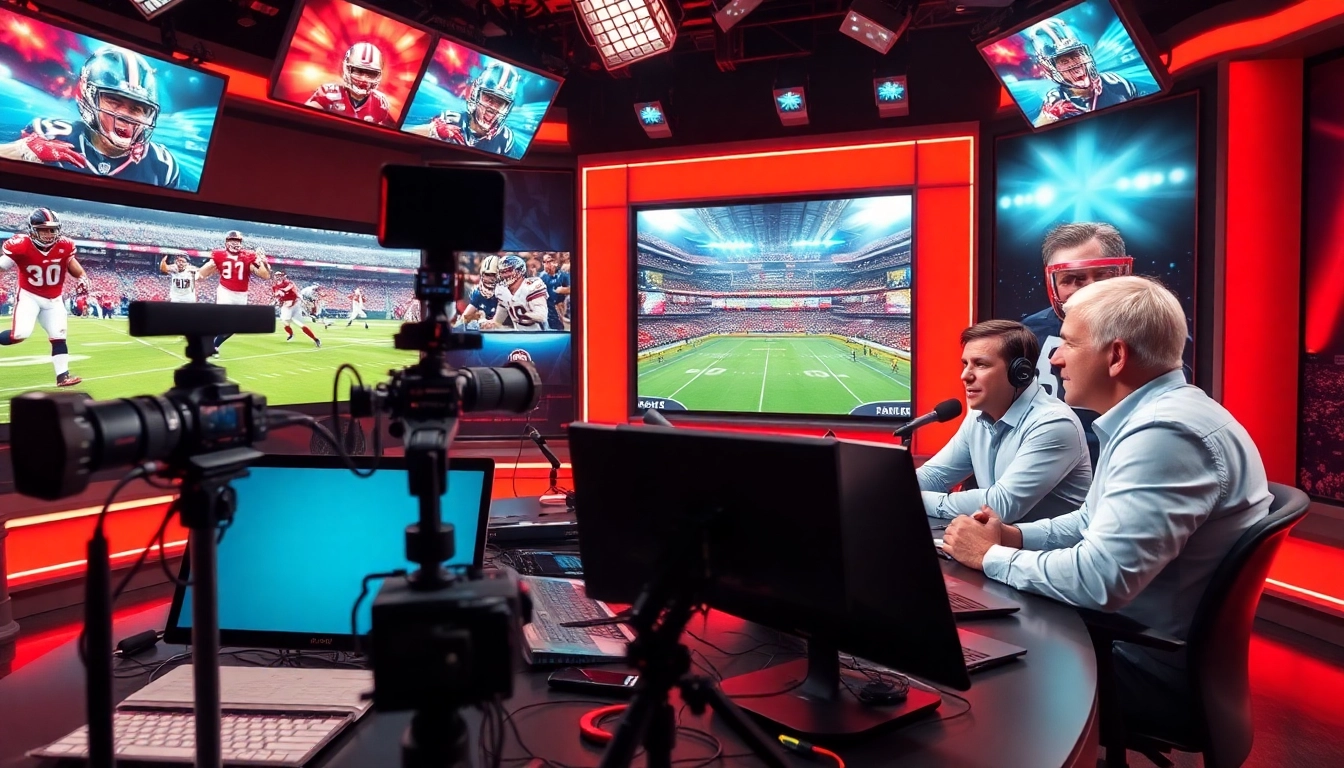
Understanding Sports Broadcasting
In the fast-paced world of sports, Sports Broadcasting serves as a crucial bridge between athletes and fans. This dynamic field encompasses the live airing of sports events, commentary, analysis, and various forms of media content that allow fans to engage with their favorite teams and athletes from anywhere in the world. Its significance extends beyond mere entertainment; it provides a platform for storytelling, community engagement, and a way for fans to experience the thrill of the game in real-time.
Definition and Importance of Sports Broadcasting
Sports broadcasting is defined as the dissemination of live and recorded sports content via television, radio, online streaming services, and social media platforms. Its importance lies in enhancing fan engagement, generating significant ad revenue, and providing various opportunities for sponsorship and partnerships. With the growth of digital platforms, sports broadcasting has transformed into an all-encompassing experience that adds layers of interactivity, making it an essential element of modern sports culture.
The Evolution of Sports Broadcasting
The journey of sports broadcasting began in the early 20th century with the advent of radio broadcasts, allowing listeners to follow live matches from the comfort of their homes. As technology advanced, television broadcasts gained traction, drastically changing how fans consumed sports. Throughout the decades, innovations like instant replay, HD and 4K broadcasting, and online streaming services have further revolutionized the landscape, providing fans with unprecedented access to content and enhancing their viewing experience.
Key Components of Successful Sports Broadcasting
Successful sports broadcasting integrates several vital components, including:
- Content Quality: High-quality commentary and expert analysis enrich the viewer's experience.
- Production Value: Utilizing cutting-edge technology for graphics, audio, and video presentation.
- Audience Engagement: Interactive features like polls, social media integration, and viewer feedback enhance fan involvement.
- Timing: Quick, accurate updates are critical in keeping fans informed during live events.
Fundamentals of Sports Broadcasting Techniques
Essential Equipment for Sports Broadcasting
To operate effectively in sports broadcasting, having the right equipment is paramount. Essential gear includes:
- Cameras: High-definition cameras capable of capturing fast-moving action are crucial for live broadcasting.
- Microphones: Quality microphones ensure clear audio capture, especially for interviews and commentary.
- Video Switchers: These devices manage multiple camera feeds and assist in live production.
- Broadcast Software: Programs for graphics, live streaming, and scheduling can significantly enhance production quality.
Effective Communication Skills in Sports Broadcasting
Effective communication is the backbone of sports broadcasting. Broadcasters must possess:
- Clear Articulation: Clear and precise speech is essential for engaging viewers.
- Storytelling Ability: Weaving narratives that capture the drama of the event allows for deeper audience connection.
- Quick Thinking: Broadcasters often need to think on their feet to cover unexpected events and provide real-time analysis.
Live Event Coverage: Strategies and Challenges
Live event coverage requires careful planning and execution. Key strategies include:
- Pre-Event Preparation: Researching teams, athletes, and current stats ensures a knowledgeable broadcast.
- Real-Time Analytics: Utilizing data during broadcasts to provide insightful commentary enhances overall quality.
- Handling Technical Issues: Having contingency plans for technical failures is vital to maintain the broadcast flow.
Challenges often arise from unexpected occurrences during live events, such as weather conditions or last-minute player changes, requiring flexibility and adaptability.
Engaging Your Audience in Sports Broadcasting
Using Social Media to Enhance Broadcasting
Social media platforms play a significant role in modern sports broadcasting. Broadcasters can:
- Share Live Updates: Posting real-time scores and highlights keeps fans engaged during events.
- Foster Community: Engaging with fans through comments and messages creates a loyal viewer base.
- Leverage User-Generated Content: Encouraging fans to share their experiences enriches the community feel.
Creating Compelling Storylines in Sports Broadcasting
Every broadcast is a chance to tell a story. Creating compelling narratives involves:
- Character Development: Highlighting athletes' backgrounds and career journeys resonates with fans.
- Conflict and Resolution: Emphasizing rivalries or personal challenges adds drama to the sports narrative.
- Contextual Analysis: Providing context for the events happening enhances viewer understanding and engagement.
Audience Interaction: Polls and Live Feedback
Enhancing viewer participation can be achieved through tools like:
- Live Polls: Asking for audience opinions on plays or decisions makes viewers feel involved.
- Feedback Mechanisms: Real-time feedback options allow broadcasters to alter content based on viewer preference.
- Social Media Integration: Utilizing hashtags and live chats encourages real-time interactions.
Advanced Strategies for Sports Broadcasting
Utilizing Data and Analytics in Broadcasting
Data analytics is transforming how broadcasts are produced. Key benefits include:
- Informed Commentary: Real-time stats contribute valuable context during games.
- Targeted Advertising: Analyzing viewer habits allows for tailored ad placements.
- Audience Measurement: Understanding viewer demographics helps optimize content and presentation styles.
Innovations in Sports Broadcasting Technology
The landscape of sports broadcasting continues to evolve with technological advancements like:
- Virtual Reality: Providing immersive experiences for viewers enhances engagement during events.
- AI and Machine Learning: Utilizing AI for stats analysis and automated highlight reels can save significant time and improve efficiency.
- Enhanced Graphics: Modern broadcasting leverages sophisticated graphics for real-time analytics and player stats during broadcasts.
Future Trends in Sports Broadcasting
The future of sports broadcasting is shaped by emerging trends, including:
- Esports Integration: As esports gain popularity, broadcasts will increasingly incorporate these events into mainstream coverage.
- Personalized Content: AI-driven recommendations will allow viewers to tailor their experiences more than ever before.
- Sustainability Initiatives: Eco-friendly broadcasting practices are becoming paramount to appeal to a socially conscious audience.
Performance Metrics in Sports Broadcasting
Measuring Audience Reach and Engagement
Understanding audience reach is essential for evaluating broadcasting success. Key metrics include:
- Viewership Numbers: Total viewers during live events give insights into program popularity.
- Social Media Interactions: Likes, shares, and comments provide quantifiable engagement data from fans.
- Demographics Reports: Understanding the audience's age, location, and interests can shape content strategy.
Quality over Quantity: Evaluating Broadcasting Success
While viewer numbers are important, the quality of interactions can provide deeper insights. Focusing on metrics like average watch time, audience retention rates, and viewer satisfaction surveys can yield more valuable data than simple view counts.
Adjusting Strategies Based on Performance Data
Continual assessment of performance data allows broadcasters to remain adaptive. Techniques include:
- A/B Testing: Trying different formats or content styles can help determine what resonates most with viewers.
- Feedback Incorporation: Regularly integrating audience feedback into production decisions can enhance viewer satisfaction.
- Trend Analysis: Observing shifts in viewer behavior over time aids in forward-thinking content strategies.
Frequently Asked Questions
What is the role of technology in sports broadcasting?
Technology enhances sports broadcasting through improved visuals, sound quality, and interactivity, creating an engaging viewer experience.
How do broadcasters keep fans engaged during live events?
Broadcasters keep fans engaged using social media interactions, compelling storytelling, and live polls that invite audience response.
What are the main components of successful sports broadcasting?
Successful sports broadcasting requires quality content, high production values, audience engagement, and timely information dissemination.
How important is data analytics in sports broadcasting?
Data analytics provides insights into viewer behavior and preferences, allowing broadcasters to tailor content effectively for their audience.
What trends are shaping the future of sports broadcasting?
Future trends include the integration of esports, personalized viewing experiences, and a focus on sustainability and eco-friendliness.