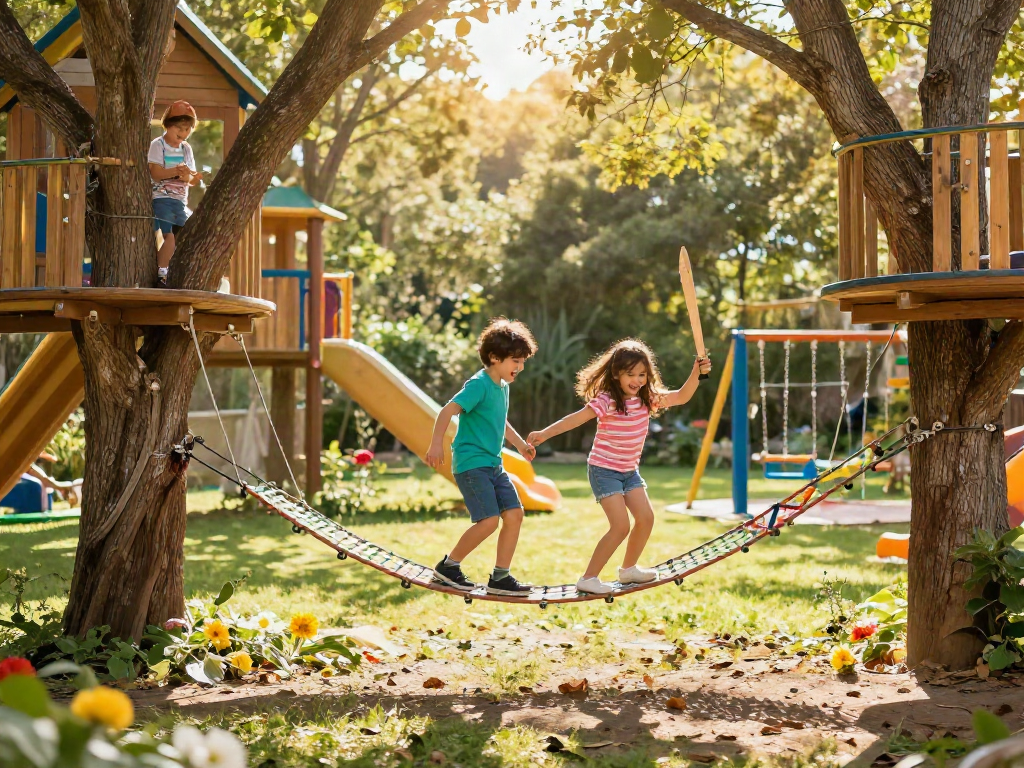
Understanding Rope Bridges: Basics and Benefits
Rope bridges, often celebrated for their unique aesthetic and functional capabilities, provide an exciting way to traverse various landscapes, whether connecting treehouses, spanning rivers, or enhancing playgrounds. These bridges not only add an element of adventure to outdoor spaces but also offer practical solutions for navigating challenging terrains. As we delve into the world of rope bridges, we will explore what they are, their historical significance, and the myriad benefits of incorporating them into your garden or recreational space. For comprehensive insights on building a Rope Bridge, this guide will serve as an essential resource.
What Is a Rope Bridge?
A rope bridge is a type of bridge that primarily uses cables or ropes as the main supporting structures. This design allows for a flexible and lightweight construction, which can be advantageous in various environments. Typically, rope bridges are suspended between two points, relying on tension to maintain their integrity. The classic design features a series of ropes or cables that create a pathway for pedestrians, often complemented by wooden planks or other materials for added stability.
History and Evolution of Rope Bridges
Rope bridges have a rich history, dating back to ancient civilizations that utilised natural materials to connect diverse landscapes. Indigenous peoples around the world, particularly in regions like South America and Asia, crafted rope bridges using local plants, trees, and natural fibres. The Inca civilization, for example, famously built suspension bridges using woven grass and vines, showcasing the practical application of engineering principles long before modern technology.
Over the centuries, the design and materials used in rope bridges have evolved significantly. Today, advancements in synthetic materials, such as high-tensile strength polyester and other durable fabrics, allow for safer, more resilient structures. This evolution has paved the way for recreational uses, including treehouses and adventure parks, making rope bridges more accessible and appealing to modern audiences.
Benefits of Installing a Rope Bridge in Your Garden
Incorporating a rope bridge into your garden or outdoor space offers numerous benefits:
- Aesthetic Appeal: Rope bridges can enhance the visual allure of your garden, adding a whimsical, adventurous touch.
- Functional Connectivity: These bridges facilitate easy movement between different areas of your property, providing a novel solution for navigating uneven terrains.
- Encouraging Outdoor Activity: By creating a playful and engaging environment, rope bridges can encourage both children and adults to spend more time outdoors, promoting physical activity and exploration.
- Unique Play Opportunities: For families, a rope bridge presents a fantastic addition to play areas, fostering imaginative play and adventure.
Types of Rope Bridges: Which One is Right for You?
When considering the installation of a rope bridge, it’s essential to understand the various types available and their specific attributes. Choosing the right design will depend on factors such as the intended use, location, and aesthetic preferences.
Simple Suspension Rope Bridges
A simple suspension rope bridge is one of the most common designs. It typically features two main cables hung between supports, with a deck suspended beneath them. This type of bridge is ideal for spanning shorter distances and can be made from lightweight materials, making it both practical and cost-effective. Its minimalist design allows it to blend seamlessly into natural settings.
Rope Bridge Kits: Essential Features to Consider
For those interested in a DIY approach, rope bridge kits are an excellent option. When selecting a kit, consider features such as:
- Material Quality: Look for high-strength synthetic ropes that are weather-resistant and durable.
- Weight Capacity: Ensure the kit can support the intended load, whether for children or adults.
- Installation Ease: Consider kits that come with clear instructions and all necessary components for a straightforward assembly process.
- Safety Features: Opt for kits that include railings or barriers to enhance safety.
Comparing DIY vs. Professional Installation
Deciding between a DIY installation and hiring professionals can significantly impact your project’s success. DIY installations allow for greater customization and can be more cost-effective; however, they require a certain level of skill and understanding of structural integrity. On the other hand, professional installation guarantees a safe and robust bridge but often comes at a higher cost. Evaluating your budget, time constraints, and level of expertise is crucial in determining the best option for your needs.
Materials and Construction Techniques for Your Rope Bridge
The choice of materials and construction techniques is critical to the success and longevity of your rope bridge. Understanding these aspects can help ensure your bridge is not only functional but also safe and aesthetically pleasing.
Choosing the Best Rope Types for Durability
When selecting ropes for your bridge, consider the following options:
- Polyester Ropes: These offer excellent strength and resistance to UV rays and moisture, making them ideal for outdoor use.
- Nylon Ropes: Known for their elasticity, nylon ropes provide shock absorption, which can be beneficial in dynamic situations.
- Natural Fibres: While less durable, materials like hemp and sisal can offer a traditional look but may require more frequent replacement.
Step-by-Step Guide to Building Your Own Rope Bridge
For those embarking on a DIY project, here’s a simplified guide:
- Plan Your Design: Determine the location, length, and width of your bridge.
- Gather Materials: Acquire ropes, planks, and any additional hardware required.
- Install Supports: Securely anchor the bridge’s main supports into the ground or existing structures.
- Attach Ropes: String the ropes according to your design, ensuring they are taut and secure.
- Add Decking: Lay planks or mesh for a stable walking surface.
- Final Inspections: Conduct a thorough check of all components for safety and stability.
Safety Considerations During Installation
Safety should always be a top priority when constructing a rope bridge. Here are some essential tips:
- Ensure all materials are rated for the loads they will carry.
- Check for potential wear or fraying in ropes and replace them as needed.
- Install railings or barriers if the bridge is intended for use by children.
- Conduct regular safety checks after installation to ensure ongoing integrity.
Maintenance Tips for Longevity of Your Rope Bridge
Maintaining your rope bridge is essential for ensuring its durability and safety over time. Regular upkeep can prevent wear and extend the life of your bridge.
Regular Inspections: What to Look Out For
Schedule routine inspections to identify any issues early on. Key areas to focus on include:
- Rope integrity: Look for signs of fraying, wear, or damage.
- Support structures: Ensure that anchor points remain secure and stable.
- Decking: Check for loose boards or other potential hazards.
Cleaning and Upkeep: Keeping Your Bridge Safe
Cleaning is vital in maintaining your rope bridge, especially in outdoor settings. Here’s how to effectively care for your bridge:
- Use a mild soap and water solution to clean the ropes and decking, removing dirt and debris.
- Ensure all components are thoroughly dried to prevent rot or mould.
- Inspect any hardware, such as screws or bolts, for rust or corrosion.
Weather-related Maintenance: Preparing for the Elements
Weather can significantly impact the longevity of your rope bridge. To prepare for harsh conditions:
- Consider applying weatherproof coatings to wood surfaces to protect against moisture.
- Store or cover the bridge during extreme weather events, such as heavy snowfall or storms, if possible.
- Regularly check and tighten fixtures that may have loosened due to temperature fluctuations.
Future Trends in Rope Bridge Design and Usage (2026 and Beyond)
As we look to the future, the design and usage of rope bridges are expected to evolve in interesting ways. Emerging trends focus on innovation, sustainability, and community development.
Innovative Design Ideas for Modern Rope Bridges
Modern rope bridges may incorporate advanced materials and smart technology, leading to more efficient designs. Concepts like modular construction, which allows bridges to be assembled in sections, can enhance accessibility and installation ease. Moreover, integrating elements like solar lighting and interactive features could further enrich user experiences.
Sustainability Practices in Rope Bridge Construction
With increasing attention on environmental sustainability, future designs are likely to embrace eco-friendly materials and practices. This includes using recycled or sustainably sourced materials, as well as techniques that minimise ecological impact during installation. Innovations in biodegradable ropes and low-impact anchoring systems could make rope bridges even more sustainable.
Predictions for Community Use and Play Areas
As communities focus on creating more inclusive outdoor spaces, the role of rope bridges in parks and recreation areas is set to expand. They can serve as central features in adventure playgrounds, encouraging physical activity and social interaction among children and families. In this context, rope bridges can facilitate educational opportunities, teaching children about nature, balance, and teamwork.
What Are the Most Common Rope Bridge Questions?
As interest in rope bridges grows, so do common inquiries regarding their construction and maintenance. Addressing these FAQs can help demystify the process for potential builders:
- How do you make a rope bridge? The construction process requires careful planning, quality materials, and adherence to safety standards.
- What type of rope is best for a rope bridge? High-strength polyester ropes are often recommended for their durability and resistance to environmental factors.