Understanding TradingView’s Core Features for Market Analysis
In the fast-paced world of financial trading, having access to real-time data and sophisticated analytical tools can be the difference between success and failure. TradingView stands out as a premier platform that provides a suite of features designed to enhance the trading experience. From advanced charting capabilities to customizable alerts, TradingView caters to both novice traders and seasoned professionals looking to refine their market strategies. This comprehensive guide will delve into the primary offerings of TradingView, ensuring users can leverage its full potential for effective market analysis.
What is TradingView and Its Unique Offerings?
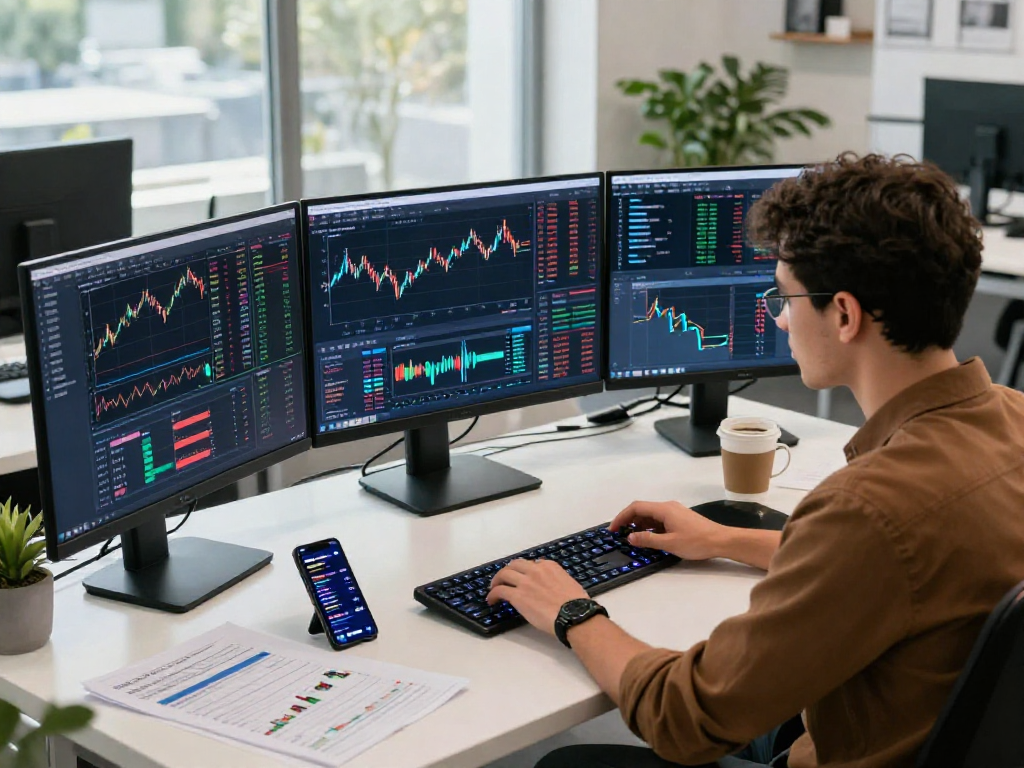
TradingView is an advanced charting and social networking platform for traders and investors to analyze financial markets. With its web-based interface, it enables users to explore a plethora of asset classes including stocks, cryptocurrencies, forex, and commodities. One of TradingView's standout features is its interactive charts, which allow users to visualize market movements over various time frames. Additionally, the platform integrates social aspects, enabling users to share insights and strategies, creating a collaborative trading environment.
How to Utilize Charting Tools Effectively
TradingView equips traders with a robust set of charting tools that facilitate in-depth market analysis. Users can manipulate their charts by adding various technical indicators, such as Moving Averages, RSI, and MACD. The ability to customize these indicators based on personal trading strategies allows for a more tailored analysis experience. Furthermore, traders can save their chart layouts, making it easy to switch between different analyses without starting from scratch each time.
Setting Up Your TradingView Account
To maximize the benefits of TradingView, setting up an account is essential. The process is straightforward, allowing users to choose between a free version and several paid tiers that offer enhanced features. By understanding the differences between these plans, traders can select the most suitable option for their needs, ensuring they have access to the tools necessary for successful trading.
Creating an Account: Free vs. Paid Options
Creating an account on TradingView is simple and can be done in minutes. The free version offers essential features such as basic charting tools and a limited number of alerts. However, to unlock advanced functionalities like more comprehensive indicators, additional alerts, and premium customer support, users may opt for one of the paid subscriptions available. This tiered structure ensures that traders can scale their experience according to their individual trading requirements.
Customizing Your Dashboard for Easy Navigation
Once registered, users can customize their TradingView dashboard to enhance usability. The platform allows for the arrangement of widgets and tools according to personal preferences, making it easier to access frequently used features. Customization options can significantly enhance the trading experience, allowing users to focus on what matters most in their trading strategies.
Integrating Multiple Devices for a Seamless Experience
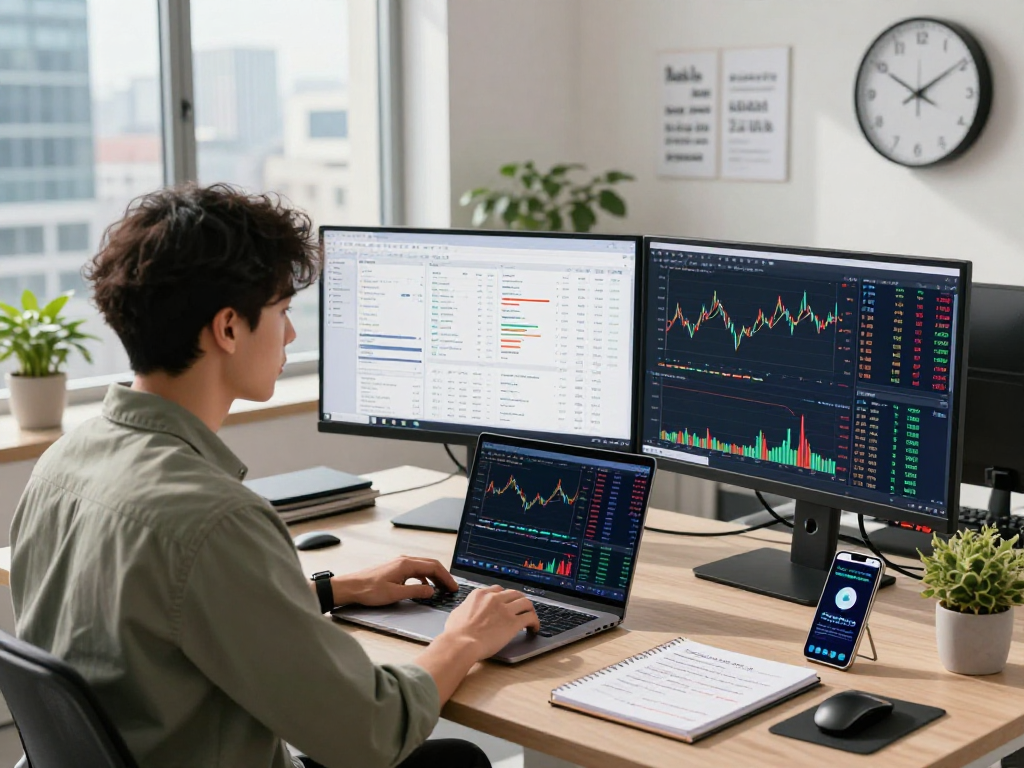
TradingView supports cross-platform accessibility, meaning that users can trade from any device—be it desktop, tablet, or smartphone. This flexibility ensures that traders can stay connected and informed, regardless of their location. By syncing data across devices, users can maintain continuity in their trading activities, effectively managing their trades on the go.
Advanced Chart Analysis Techniques on TradingView
Diving deeper into analysis on TradingView involves utilizing various advanced techniques that can lead to informed trading decisions. Understanding how to effectively use these tools is vital for those serious about maximizing their trading potential.
Using Technical Indicators for Informed Decisions
Technical indicators are crucial in analyzing market trends and making educated decisions. Traders can add multiple indicators on TradingView, adjusting parameters to fit specific trading strategies. For example, combining the Moving Average with the Relative Strength Index (RSI) can provide a clearer picture of potential entry or exit points in a trading strategy.
Creating and Saving Custom Chart Layouts
One of the significant advantages of TradingView is the ability to create and save custom chart layouts. Traders can design multiple layouts tailored for different strategies or asset classes, which can be switched quickly as market conditions change. This functionality saves time and enhances the trading workflow, allowing for a more organized approach to market analysis.
Implementing Multi-Timeframe Analysis Strategies
Multi-timeframe analysis is an effective strategy to gain deeper insights into market movements. By examining charts across different time frames, traders can identify overarching trends while pinpointing specific entry or exit points on shorter time frames. TradingView makes it easy to switch between timeframes, enabling a comprehensive analysis that supports more strategic decision-making.
TradingView Alerts: Maximizing Your Trading Efficiency
Alerts are among the most powerful tools available in TradingView, allowing traders to stay informed about specific market conditions without constantly monitoring their charts. Implementing alerts effectively can vastly improve trading efficiency.
Setting Up Price Alerts for Real-time Market Changes
Setting up price alerts is straightforward with TradingView. Traders can configure alerts for specific price levels or based on technical conditions. When these conditions are met, users receive real-time notifications via multiple channels, including email or mobile push notifications, reducing the need for constant chart observation.
Understanding the Different Types of Alerts Available
TradingView supports various types of alerts, including price alerts, technical alerts, and alerts based on user-defined conditions. This flexibility allows traders to tailor their alert system to fit their unique strategies and risk management approaches. By understanding how to utilize these alerts, traders can focus on executing their strategies without being glued to their screens.
Best Practices for Alert Management and Optimization
To effectively manage alerts, traders should prioritize and categorize them based on their trading strategies. Utilizing a structured approach to alert management can help prevent notification fatigue and ensure that critical alerts are not overlooked. Additionally, regularly reviewing and optimizing alert settings can improve the overall effectiveness of the trading strategy.
Common Questions and Troubleshooting on TradingView
Even with a robust platform like TradingView, users may encounter questions or issues. Addressing common concerns can enhance user experience and facilitate smoother trading operations.
What Should You Do if You Encounter Technical Issues?
Technical issues can arise from time to time, but TradingView offers comprehensive support resources. Users can consult the help center for troubleshooting guides, FAQs, and community forums. For persistent issues, reaching out to TradingView’s support team can provide personalized assistance.
How to Get Support for TradingView Features?
If users face challenges while navigating or utilizing TradingView features, resources are readily available. The platform provides extensive documentation, video tutorials, and user forums where traders can share insights and solutions. Taking advantage of these resources can help users leverage TradingView effectively.
Ensuring Compliance and Security in Trading Activities
Security is paramount in trading, and TradingView emphasizes user safety through various measures. Ensuring your account has strong passwords, enabling two-factor authentication, and being aware of phishing attempts are crucial steps in maintaining security. Users should also stay informed about the platform's compliance with relevant regulations to ensure a secure trading environment.