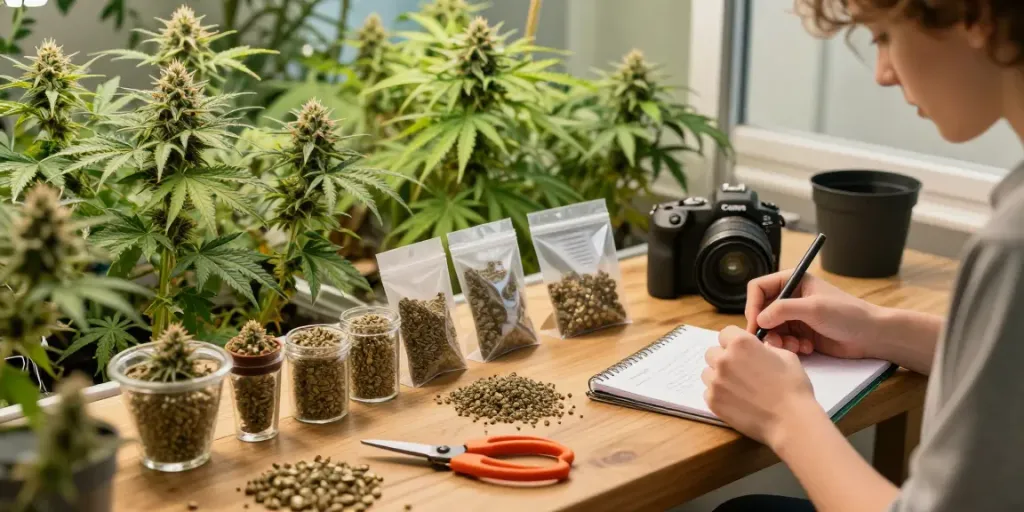
Understanding Cannabis Seeds: Types and Characteristics
Cannabis seeds are the starting point for every grower’s journey, regardless of experience. These vital components are categorized primarily into three types: regular, feminized, and autoflowering seeds. Selecting the right type can dramatically influence the outcome of your cultivation efforts, including yield, potency, and flavors. With the evolving cannabis industry and advancements in breeding techniques, growers now have more options than ever, allowing for tailored cultivation that can meet specific demands. When exploring options, cannabis seeds offer a rich variety suited to different growing environments and personal preferences.
What Are Cannabis Seeds?
Cannabis seeds are the reproductive elements of the cannabis plant, essential for generating new plants. Each seed holds the genetic blueprint for the resulting plant, influencing its growth characteristics, potency, flavor, and aroma. The morphology of cannabis seeds varies, with some appearing light and unassuming while others boast striking patterns and colors indicative of their genetic lineage. This genetic variability allows growers to select seeds based on desired outcomes, whether that be high THC content, specific terpenes, or resilience to pests and diseases.
Feminized Seeds: Overview and Benefits
Feminized seeds are engineered to produce only female plants, the ones that yield the coveted buds that consumers seek. This process typically involves stressing a female plant to produce pollen, which is then used to fertilize another female plant, ensuring that the resulting seeds will be female. The primary benefit of using feminized seeds is maximizing yield and ensuring that every plant contributes effectively to the harvest. For novice growers, feminized seeds offer an easier entry into the world of cannabis cultivation, as they eliminate the need to identify and remove male plants before they can pollinate females.
Autoflowering Seeds: Key Features and Advantages
Autoflowering seeds have revolutionized cannabis cultivation due to their unique lifecycle. Unlike traditional photoperiod strains, which require specific light schedules to flower, autoflowering strains begin to flower automatically after a set period, typically around 2-4 weeks after germination. This trait allows for faster growth and multiple harvests within a single growing season, making them ideal for growers in regions with shorter summers or those looking to maximize yields in limited timeframes. Additionally, these seeds often yield robust plants that are more resilient to environmental changes, making them an excellent choice for outdoor cultivation.
Choosing the Right Cannabis Seeds for Your Grow
Picking the appropriate cannabis seeds is crucial not only for your success as a grower but also for achieving desired effects in the final product. Factors such as your growing environment, cultivation goals, and preferences for potency and flavor all play significant roles in this decision-making process. Understanding these elements can help you navigate the diverse options available in today's market.
Assessing Your Growing Environment
Your growing environment is perhaps the most critical factor in determining which cannabis seeds to choose. Indoor growers can manipulate environmental factors such as light, temperature, and humidity, allowing for a more controlled cultivation process. In contrast, outdoor growers must contend with varying weather patterns and seasonal changes, which can influence plant growth. Choosing seeds that are known for their adaptability to your specific conditions will help ensure a successful harvest.
Yield Considerations: Feminized vs Autoflowering
When considering yield potentials, feminized seeds typically outpace regular seeds, as no resources are wasted on male plants. However, autoflowering seeds can offer unique advantages due to their rapid growth cycles. Understanding the difference in yields between these two types can help you establish realistic expectations before you begin growing. For those focused on maximizing yield per square foot, feminized photoperiod strains may be preferable, while growers looking for speed and efficiency may lean towards autoflowering options.
Understanding Potency and Terpene Profiles
Potency and flavor are undoubtedly paramount considerations for any cannabis grower. Each strain offers a unique profile of cannabinoids and terpenes that can drastically impact the overall experience. Choosing seeds based on desired cannabinoid levels—like THC or CBD—and specific terpenes can be pivotal for medical or recreational purposes. Researching strain genetics and understanding the effects associated with particular terpenes will enable you to select seeds that align best with your preferences.
Best Practices for Growing Cannabis Seeds
Successfully cultivating cannabis from seed requires adherence to best practices that encourage healthy plant growth and maximize yield potential. From germination techniques to environmental management, these foundational practices are essential for any cannabis grower.
Germination Techniques for Maximum Success
Germination is the first step in the life of a cannabis plant. Several methods exist, including the paper towel method, direct soil planting, and using starter cubes. Each technique has its merits, with the paper towel method being popular for its reliability and speed. Whichever method you choose, ensuring optimal conditions—such as warmth and moisture—will increase your chances of successful germination.
Optimal Soil and Nutrient Conditions
The right soil and nutrient mix is crucial for the healthy growth of cannabis. A well-aerated, nutrient-rich soil provides the necessary foundation for healthy root development. Additionally, understanding the nutrient needs specific to your chosen strain—especially during growth and flowering stages—will help you tailor your feeding regimen. Organic and slow-release fertilizers are often preferred for their ability to foster a healthy microbial ecosystem within the soil.
Watering and Lighting Requirements
Watering practices can make or break your growing venture. Overwatering can lead to root rot, while underwatering may stunt plant growth. Developing a consistent watering schedule that considers your plant's stage of growth, soil type, and environmental conditions will be key. Similarly, lighting is vital in indoor setups; using the right type of grow lights and understanding their intensity and duration can directly influence plant health and growth rates.
Common Challenges When Growing Cannabis Seeds
Like any form of agriculture, cannabis cultivation comes with its unique set of challenges. Being aware of these potential obstacles will better prepare you to handle them when they arise, ensuring a smoother growing experience.
Pest and Disease Management Strategies
Pests and diseases can devastate a cannabis crop if not managed swiftly and effectively. A proactive approach is essential; this includes selecting pest-resistant strains, maintaining cleanliness in the grow area, and utilizing natural pesticides when necessary. Incorporating beneficial insects into your grow can also act as a natural form of pest control, reducing the reliance on chemical treatments.
Environmental Factors Impacting Growth
Environmental factors such as temperature fluctuations, humidity levels, and light exposure can significantly impact plant growth. Indoor growers have the advantage of controlling these elements, while outdoor growers must work within the parameters of their local climate. Implementing protective measures, like shade cloths or greenhouses, can help mitigate some environmental risks.
Misconceptions about Cannabis Seed Cultivation
Several misconceptions surround cannabis cultivation, affecting how new growers approach the process. Common myths include the belief that cannabis plants require constant light or that all strains thrive in the same conditions. Educating yourself on the specific needs of the strains you are growing will debunk these myths and lead to more successful cultivation endeavors.
The Future of Cannabis Seeds in 2026 and Beyond
The cannabis seed industry is on the verge of significant transformations, driven by advances in breeding techniques, shifts in market demands, and growing consumer sophistication. Understanding the direction in which this industry is headed will prepare growers for future opportunities and challenges.
Innovations in Cannabis Seed Genetics
As the cannabis industry evolves, so too do the genetics of cannabis seeds. Breeders are continually developing new strains that feature enhanced resilience, higher potency, and unique flavor profiles. Innovations such as triploid seeds are also paving the way for future advancements, enabling growers to explore modern breeding approaches that could redefine cannabis cultivation. These innovations promise to yield plants that not only meet but exceed the expectations of today’s sophisticated consumers.
Sustainability Practices in Cannabis Cultivation
In light of increasing environmental concerns, sustainable practices within cannabis cultivation are becoming more pronounced. Growers are exploring organic methods, water conservation techniques, and energy-efficient practices to minimize their ecological footprint. As consumer awareness of sustainability grows, cultivators who prioritize eco-friendly practices are likely to find their products more appealing to an environmentally conscious market.
Market Trends and Consumer Preferences
The cannabis market is shifting, with increasing demand for varieties that cater to specific effects and health benefits, including high-CBD strains and cannabinoid-rich options. Consumer preferences are becoming more refined, with many users looking for tailored experiences rather than a one-size-fits-all approach. Growers should keep an eye on these trends to align their cultivation practices with market demands.
What is the most reputable cannabis seed company?
The industry is filled with reputable cannabis seed companies, each known for their quality genetics and commitment to customer satisfaction. Researching consumer reviews and exploring seed bank reputations will provide insights into which brands are the best for your needs. Some renowned names include Dutch Passion, Humboldt Seed Company, and ILGM.
Is it illegal to buy cannabis seeds in the US?
The legality of purchasing cannabis seeds varies significantly across the United States, with regulations changing frequently as more states move towards legalization. It's crucial to check local laws regarding cannabis seed sales to ensure compliance.
What is the best place to buy seeds online?
Many online retailers offer a broad selection of cannabis seeds, so it's essential to choose a reputable seed bank known for quality genetics and reliable service. Look for seed banks that provide detailed strain descriptions, user reviews, and a germination guarantee.
Where can I buy regular cannabis seeds?
Regular cannabis seeds can be found at specialized seed banks and dispensaries that focus on a wide range of genetics. These seeds are often favored by breeders looking to create their own strains or those interested in breeding projects.
How do I choose the right cannabis seeds for my needs?
Choosing the right cannabis seeds requires careful consideration of various factors, including your growing conditions, desired plant characteristics, and personal preferences. Assessing your goals and understanding the unique traits of different seed types will guide you towards making informed decisions.