
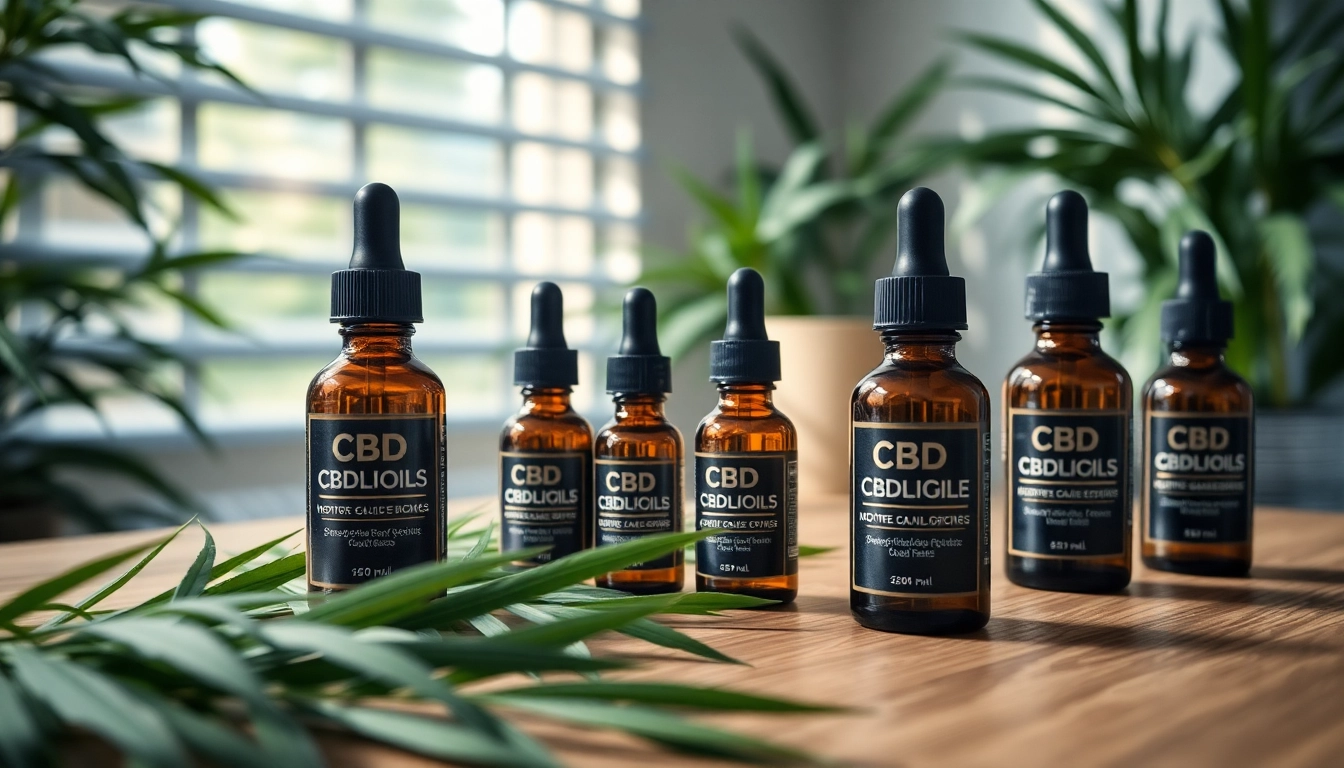
Overview of CBD
What is CBD?
Cannabidiol (CBD) is a naturally occurring compound found in the resinous flower of cannabis. Unlike tetrahydrocannabinol (THC), which is the psychoactive component of cannabis responsible for the "high," CBD is non-psychoactive, meaning it does not induce these effects. Instead, it is known for its potential therapeutic properties, which have garnered significant interest from researchers, healthcare professionals, and consumers alike. CBD has become a popular choice among individuals seeking natural remedies for various health issues, and its uses are continually expanding as more research emerges.
The Science Behind CBD
The science of CBD involves understanding its interaction with the body’s endocannabinoid system (ECS), a complex network of receptors and neurotransmitters that play a crucial role in regulating homeostasis. The ECS consists of two main types of receptors: CB1 and CB2. CB1 receptors are primarily located in the brain and nervous system, while CB2 receptors are distributed throughout the immune system and peripheral tissues. CBD is thought to interact with these receptors in a way that modulates various physiological processes, including pain sensation, mood regulation, and immune response.
Many studies focus on CBD's potential anti-inflammatory, analgesic, and anxiolytic effects. For example, research has found that CBD may inhibit the reuptake of endocannabinoids in the body, enhancing their natural effects. Additionally, CBD has been shown to have antioxidant properties, further supporting its potential benefits.
Cultural Perspectives on CBD
Historically, various cultures have utilized cannabis for its medicinal properties for centuries. In recent years, the perception of CBD has transformed from a stigmatized substance to a respected therapeutic option. The decriminalization and legalization of cannabis in many regions have played a pivotal role in this shift. As public awareness grows, consumers increasingly seek out CBD products for their wellness routines, aiming for holistic health and natural remedies.
Different cultures also approach CBD with unique beliefs and practices. In some communities, CBD is integrated into traditional herbal medicine, while in others, it's marketed as a modern health supplement. This diverse cultural landscape contributes to the evolving narrative around CBD and its potential benefits in promoting well-being.
Health Benefits of CBD
CBD for Anxiety and Stress Relief
One of the most popular uses of CBD is for anxiety and stress management. Numerous studies suggest that CBD may help alleviate symptoms of anxiety disorders, including generalized anxiety disorder, social anxiety disorder, and post-traumatic stress disorder (PTSD). By interacting with serotonin receptors in the brain, CBD may promote a sense of calm while reducing feelings of anxiety.
A review published in the journal Neurotherapeutics highlighted that participants who took CBD exhibited a significant reduction in anxiety levels. Furthermore, unlike traditional anxiety medications, CBD does not carry the same risk of addiction or dependence, making it an appealing alternative for those seeking relief from anxiety without adverse side effects.
Pain Management with CBD
Pain management is another area where CBD has shown promising potential. Research indicates that CBD may be effective in reducing chronic pain by modifying how the brain processes pain signals. Studies suggest that it can help relieve conditions such as arthritis, multiple sclerosis, and fibromyalgia.
By exerting anti-inflammatory properties, CBD may help reduce the underlying causes of pain, providing not only symptomatic relief but also addressing inflammation at its source. Many individuals report improved quality of life and functional outcomes after using CBD to manage their pain conditions, making it a valuable option for persistent pain management.
Potential Benefits for Sleep Disorders
A growing body of evidence suggests that CBD may also assist in improving sleep quality for those suffering from sleep disorders. Research has indicated that CBD can address various factors that disrupt sleep, such as anxiety, pain, and stress. By promoting relaxation and reducing anxiety levels, CBD may help individuals fall asleep faster and enhance overall sleep quality.
A study published in the journal Frontiers in Psychology found that participants who took CBD experienced significant reductions in sleep disturbances and overall anxiety scores. This correlation highlights the potential of CBD as a natural remedy for those struggling with insomnia, making it an appealing alternative to pharmacological sleep aids, which often carry side effects.
How to Use CBD Products
Dosing Guidelines for CBD
Dosing CBD can be a challenging aspect for new users, as the appropriate dosage can vary widely depending on individual factors such as body weight, metabolism, the condition being treated, and the product form. Generally, experts recommend starting with a low dose and gradually increasing it until the desired effects are achieved.
A common starting point is between 5 to 10 mg of CBD, taken once or twice daily. Users can then monitor their response and adjust the dosage accordingly. It’s important to consult with a healthcare provider before beginning CBD, particularly for individuals taking other medications or those with underlying health conditions.
Different Forms of CBD Available
CBD products come in various forms, each offering distinct advantages and methods of administration. Some of the most common forms include:
- Oils and Tinctures: These are liquid extracts that can be taken sublingually, providing quick absorption into the bloodstream.
- Edibles: CBD-infused foods, such as gummies and chocolates, offer a tasty way to consume CBD but may take longer to take effect.
- Capsules: For those looking for a convenient and precise dose, CBD capsules are easy to integrate into a daily routine.
- Topicals: Creams, balms, and lotions infused with CBD are designed for localized relief and can be applied directly to the skin.
- Vapes: Inhalation via vaping allows for rapid onset of effects but may pose risks to lung health, making it essential to choose high-quality products.
Understanding these different forms can help users choose the most suitable method for their needs and preferences.
First-Time Users: Tips for Safe Usage
For first-time CBD users, taking a cautious approach is essential to safely explore its effects. Here are some tips to consider:
- Research: Before using any CBD product, educate yourself about its potential benefits, side effects, and interactions with other medications.
- Start Low and Go Slow: Begin with a low dose and gradually increase it as needed to find the optimal dosage for your body.
- Consult a Healthcare Provider: Discussing your intention to use CBD with a healthcare professional can help address any concerns and ensure safe usage.
- Monitor Your Response: Keep track of how CBD affects you, including any changes in symptoms or side effects, to better understand its impact.
- Choose Quality Products: Opt for products that have been third-party tested for quality and purity to ensure you are consuming a safe and effective supplement.
Understanding CBD Regulations
Legal Status of CBD Across States
The legal status of CBD varies significantly across different states in the United States. While the 2018 Farm Bill legalized hemp-derived CBD with less than 0.3% THC federally, states have the authority to establish their own laws regarding CBD use. Some states have fully embraced CBD, allowing for its unrestricted sale and use, while others have strict regulations or have yet to provide a clear legal framework.
Individuals interested in using CBD should familiarize themselves with the specific regulations in their state, as legal protections vary and certain restrictions may still apply to particular formulations or products.
Quality Standards and Lab Testing
Ensuring the safety and efficacy of CBD products is paramount, particularly given the increasing number of products on the market. Quality standards and third-party lab testing are essential for verifying product purity and cannabinoid content. Consumers are encouraged to choose brands that provide Certificates of Analysis (COAs) for their products, which detail the concentration of CBD and verify that they are free of contaminants such as heavy metals, pesticides, and solvents.
Staying informed about product quality can empower consumers to make educated choices when selecting CBD products and enhance their overall experience.
CBD Marketing and Consumer Awareness
The explosion of the CBD market has been accompanied by an influx of marketing claims, which can often be misleading or exaggerated. Consumer awareness is crucial in navigating these claims and understanding what to look for in a quality product. It’s essential to critically assess marketing messages and research the science behind CBD before making purchasing decisions.
Education campaigns and reputable resources can empower consumers to differentiate between scientifically-backed benefits and unfounded claims, enabling them to make informed choices about their CBD use.
Future Insights into CBD
Emerging Research on CBD
The field of CBD research is rapidly evolving, with new studies continually emerging that seek to elucidate its potential benefits and mechanisms of action. Ongoing clinical trials and investigations aim to explore how CBD may impact various health conditions, such as epilepsy, neurodegenerative disorders, and even cancer-related symptoms.
As research advances, we may gain a more comprehensive understanding of CBD’s therapeutic potential and how it can be effectively integrated into medical practices for a broader range of health concerns.
Trends in CBD Products
The demand for CBD products has spurred innovation and diversification within the industry. Today, consumers can find an expanding array of offerings, including beverages, beauty products, and gourmet foods infused with CBD. These trends indicate an evolving market that is increasingly tailored to consumer preferences for convenience, variety, and wellness.
As consumers continue to seek CBD products that fit their lifestyles, companies are likely to respond with creative formulations and delivery methods that enhance the overall CBD experience.
Impact of Legislation on CBD Market Growth
The future of the CBD market is inherently tied to legislative developments at both the state and federal levels. As regulations evolve, companies will adapt their practices to maintain compliance while striving to meet growing consumer demand. An increase in clarity around the legal status of CBD may also encourage more significant investment and innovation within the industry.
By keeping a pulse on legislative changes, consumers and industry stakeholders can navigate the shifting landscape of CBD and harness new opportunities for growth and wellness.