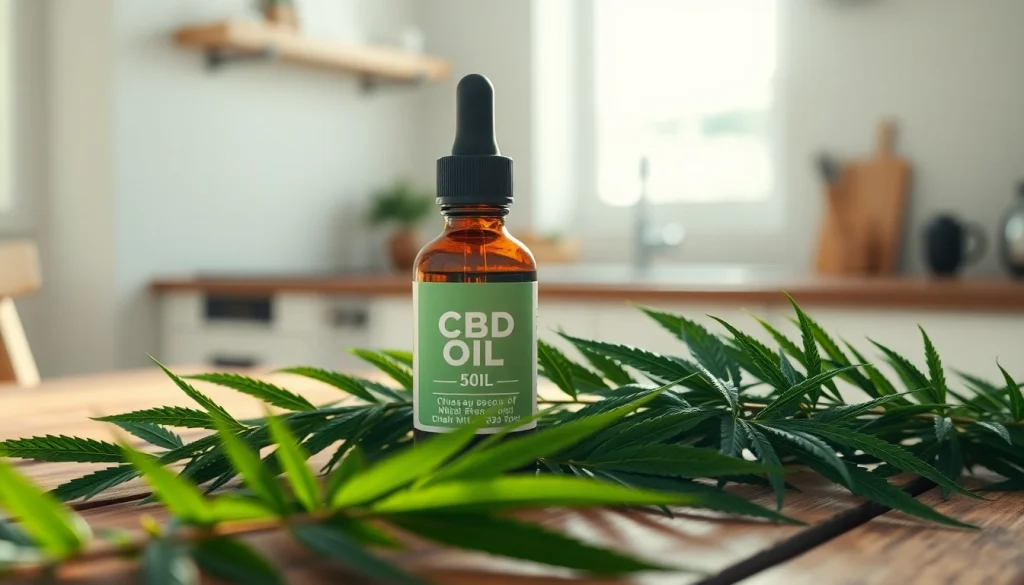
Understanding CBD Oil: What It Is and How It Works
The Basics of CBD Oil
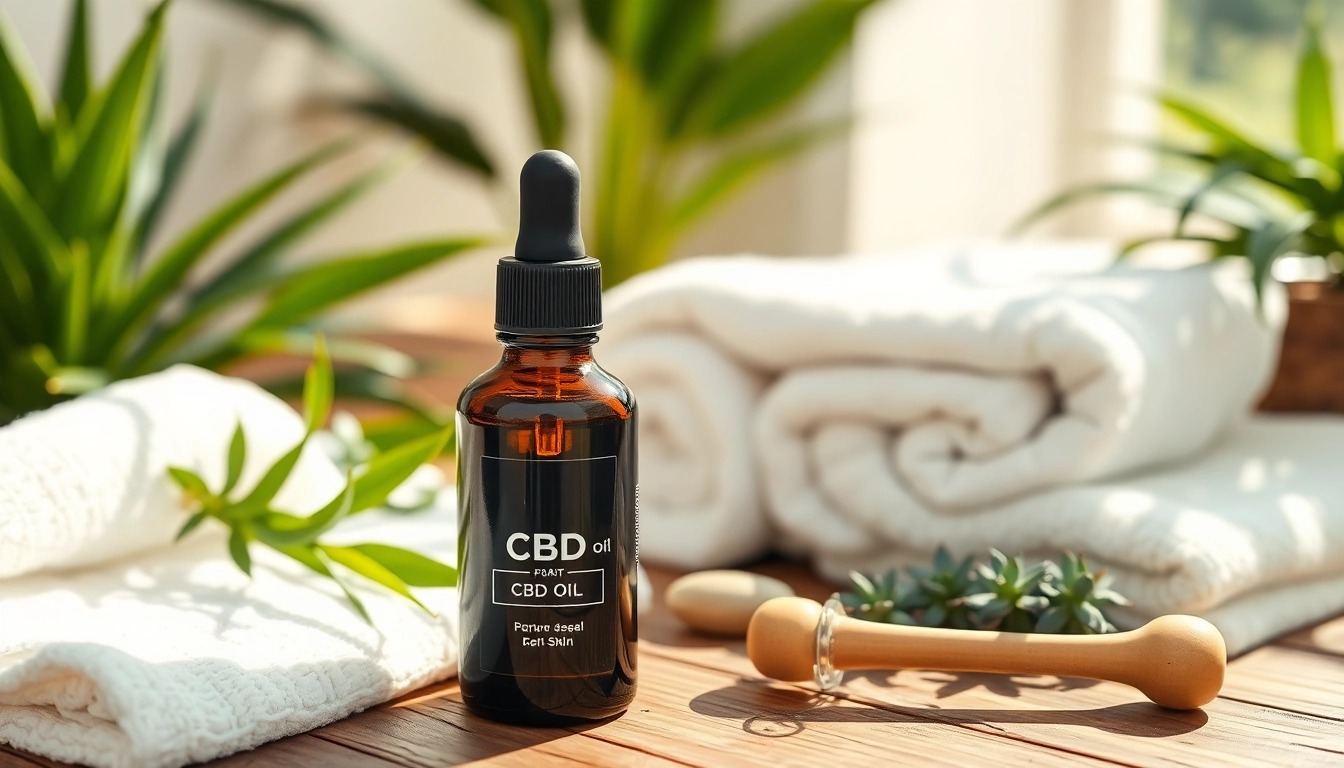
Cannabidiol, commonly known as CBD, is a naturally occurring compound found in the Cannabis sativa plant. Unlike its more famous counterpart tetrahydrocannabinol (THC), CBD does not produce a psychoactive effect, which means it doesn’t cause the “high” associated with cannabis. Instead, users often seek out CBD Oil for its potential health benefits without the mind-altering effects. Extracted primarily from hemp, CBD oil can be consumed in various forms, including tinctures, capsules, edibles, and topical applications. It has gained significant popularity for its therapeutic properties and is often used as a natural remedy for a range of ailments.
How CBD Oil Interacts with the Body
The human body has an endocannabinoid system (ECS) that plays a crucial role in maintaining homeostasis—physiological balance within the body. The ECS comprises endocannabinoids, receptors, and enzymes. CBD interacts with the ECS by binding to its receptors, specifically CB1 and CB2 receptors, which are primarily found in the brain and immune system, respectively. By influencing these receptors, CBD may modulate various bodily functions, including pain perception, mood regulation, and immune response.
Research suggests that CBD promotes a sense of relaxation and well-being by enhancing serotonin levels in the brain, potentially providing benefits for those dealing with anxiety or depressive disorders. Furthermore, CBD has been shown to reduce inflammation and influence pain signaling pathways, making it a popular choice for individuals seeking relief from chronic pain.
Differences Between CBD Oil and Other Cannabinoids
CBD is just one of over 100 cannabinoids present in the cannabis plant. Other significant cannabinoids include THC, cannabinol (CBN), and cannabigerol (CBG). The primary distinction between CBD and THC lies in the effect they have on the body. While THC is psychoactive and is typically associated with the euphoric feeling of being “high,” CBD is non-psychoactive. This difference has made CBD increasingly attractive for those looking for therapeutic effects without psychoactive side effects.
Moreover, CBD oil can come from either marijuana or hemp plants, with hemp-derived CBD legally permissible in many regions due to its low THC content. In contrast, marijuana-derived CBD may contain higher levels of THC, which could lead to legal restrictions.
Health Benefits of CBD Oil
Potential Relief for Chronic Pain
One of the most researched areas of CBD oil is its potential for pain relief. A growing number of studies indicate that CBD may alleviate chronic pain conditions, such as arthritis and multiple sclerosis, by reducing inflammation and changing how the brain responds to pain. The anti-inflammatory properties of CBD are believed to contribute significantly to its effectiveness in managing pain.
Patients suffering from conditions like fibromyalgia often cite CBD oil as a natural alternative to traditional painkillers, which can lead to dependency and undesirable side effects. Anecdotal evidence and preliminary studies suggest that users may experience substantial relief without the risks associated with opiates.
Effects on Anxiety and Depression
In recent years, the use of CBD oil for anxiety and depression has gained significant attention. Research indicates that CBD may positively influence serotonin levels in the brain, which plays a crucial role in mood regulation. Individuals suffering from anxiety disorders, such as generalized anxiety disorder or social anxiety disorder, often seek alternative treatments to prescription medications due to concerns about side effects or dependency.
Clinical trials have shown promising results, with participants reporting reduced levels of anxiety and improved overall mood. A systematic review of studies suggests that CBD may enhance cognitive function and promote relaxation, making it a viable option for those struggling with mental health challenges.
Inflammation Reduction and Skin Health
Beyond managing pain and anxiety, CBD oil also exhibits properties that may benefit skin health. Research has highlighted its potential anti-inflammatory effects, which can be advantageous for individuals suffering from conditions such as acne, eczema, and psoriasis. CBD’s ability to modulate the production of sebum in the skin can lead to reduced acne breakouts, while its anti-inflammatory properties may soothe irritated skin.
Moreover, CBD oil is increasingly included in skincare products due to its moisturizing and healing effects. Many consumers report improvements in skin texture and a reduction in redness and irritation after incorporating CBD oil into their skincare routines.
How to Choose Quality CBD Oil
Identifying Lab-Tested Products
When searching for high-quality CBD oil, it is paramount to choose products that have been third-party lab tested for purity and potency. Lab testing ensures that the product is free from harmful contaminants such as pesticides, heavy metals, and solvents. Reputable brands usually provide access to these lab results on their websites, allowing consumers to verify the product’s quality.
Look for Certificates of Analysis (COAs) that detail the cannabinoid profile and confirm that the product meets safety standards. Products lacking transparency in testing should be avoided, as they may contain unknown levels of active ingredients or contaminants.
Understanding Labels: Full-Spectrum vs. Isolate
CBD oil comes in several varieties, primarily full-spectrum, broad-spectrum, and isolate. Full-spectrum CBD oil contains all cannabinoids found in the plant, including trace amounts of THC, which can enhance its therapeutic effects through the “entourage effect.” Broad-spectrum CBD has multiple cannabinoids but no THC, while CBD isolate contains nothing but pure CBD.
The choice between these forms depends on personal preferences and legal considerations. Full-spectrum products may offer more extensive health benefits due to the presence of additional cannabinoids, while isolates may be preferred by those wanting to avoid THC entirely.
Price vs. Quality: What to Look For
Price is often an indicator of quality, but it’s not the only factor to consider when selecting CBD oil. While lower-priced products may appear appealing, they could be a sign of inferior extraction methods or subpar ingredients. Conversely, premium prices do not always guarantee high quality.
When evaluating products, consider the sourcing of the hemp, extraction methods employed, and additional ingredients. Typically, organic hemp sourced from reputable farms and CO2 extraction methods yield higher-quality oils. Customer reviews, brand reputation, and transparency in sourcing and manufacturing practices should also guide your purchasing decisions.
How to Use CBD Oil Effectively
Different Consumption Methods
CBD oil can be administered in various ways, allowing users to choose the method that best suits their lifestyle and preferences. Common consumption methods include:
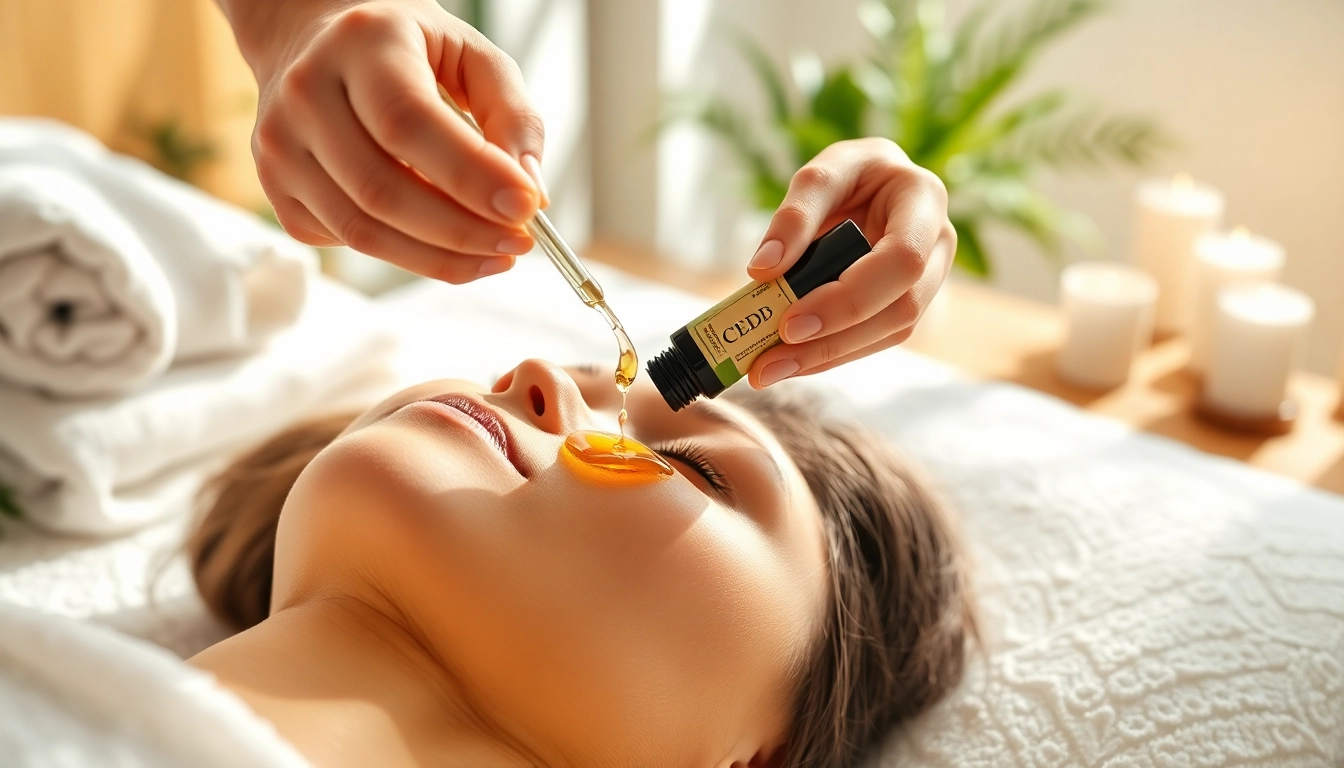
- Tinctures: Submerged under the tongue for quick absorption.
- Capsules: Easy to dose, ideal for those who dislike the taste of oils.
- Edibles: Infused foods and drinks offer a tasty way to consume CBD but may take longer to feel effects.
- Topicals: Creams and lotions applied directly to the skin for localized relief.
Each method has its onset time and duration of effects; tinctures typically provide quicker relief, while edibles might take longer but generally last longer.
Determining the Right Dosage
Finding the right dosage of CBD oil can be a trial-and-error process, as individual responses can vary widely. Factors such as body weight, metabolism, and the severity of the condition being treated play a role in determining the appropriate dosage. It’s often recommended to start with a low dose and gradually increase it until the desired effects are achieved.
Pay attention to how your body responds and adjust accordingly. Consulting with a healthcare professional experienced in CBD can also provide tailored guidance for those unsure about their dosing strategy.
Timing Your CBD Oil Use
The timing of CBD oil consumption can influence its effectiveness. For those using it to manage chronic conditions, regular daily use may provide consistent relief. Conversely, if you are using CBD for acute situations, such as anxiety or pain flare-ups, taking it on an as-needed basis may be more effective.
Some users find that taking CBD oil at specific times of day—such as in the morning for anxiety or at night for sleep—enhances its benefits. Experimentation with timing can help refine your approach to maximize the effects of the CBD oil.
Legal Considerations and Safety of CBD Oil
Current Legal Status of CBD Oil
The legal status of CBD oil varies significantly depending on geography and jurisdiction. In the United States, the 2018 Farm Bill legalized hemp-derived CBD that contains less than 0.3% THC, allowing for its sale and consumption. However, states have the authority to enact their own laws, leading to a patchwork of regulations across the country.
Consumers should be aware of their local laws regarding CBD oil and ensure they are purchasing products compliant with state regulations. In some instances, CBD derived from marijuana plants may still face legal restrictions, even in states that have legalized recreational cannabis.
Potential Side Effects and Myths
While many users report positive experiences with CBD oil, it is essential to acknowledge possible side effects. Common side effects may include fatigue, changes in appetite, diarrhea, and interactions with other medications. It is crucial for users to consider these factors, especially if they are taking other pharmaceuticals.
Several myths surround CBD oil, including misconceptions about its psychoactive effects and addiction potential. CBD is non-addictive, and extensive research has shown it to be relatively safe when consumed responsibly. Education and accurate information are vital to dispelling these myths and informing potential users about CBD’s benefits and limitations.
Consulting Healthcare Professionals
Before venturing into CBD oil, especially for health-related issues, consulting a healthcare professional is advisable. They can provide insights based on individual health circumstances, medication interactions, and dosing strategies. This consultation can help ensure a safe and comprehensive approach to using CBD as part of a wellness plan.
Healthcare professionals can also keep you updated on the latest research and legal changes in your area, providing thorough support in navigating CBD oil use.