Understanding Mimosa Hostilis Root Bark
Mimosa hostilis, commonly known for its vibrant root bark, is a plant native to Mexico and Brazil. The root bark is renowned for its unique properties and has captured the attention of herbalists and enthusiasts alike. In recent years, this botanical has gained significant popularity due to its diverse applications in health, beauty, and crafting. When exploring options, Mimosa hostilis root bark for sale can provide comprehensive insights into sourcing high-quality materials.
What is Mimosa Hostilis Root Bark?
The root bark of Mimosa hostilis is extracted from the inner bark of the tree, which is prized for its rich content of alkaloids, particularly DMT (dimethyltryptamine). This compound has long been celebrated in traditional practices, especially among the Mazatec people of Mexico, who use it in spiritual and healing rituals. The bark itself has a dense, fibrous texture and a distinct earthy aroma, making it versatile for various applications, from herbal remedies to natural dyes.
Benefits and Uses of Mimosa Hostilis Root Bark
Mimosa hostilis root bark boasts numerous benefits, primarily attributed to its medicinal properties. It is widely utilized for:
- Spiritual and Healing Practices: Indigenous cultures have used the bark in shamanistic rituals for centuries, believing it aids in emotional healing and spiritual growth.
- Cosmetic Applications: The bark is often included in skincare products due to its exfoliating properties and ability to promote a clearer complexion.
- Natural Dyeing: Its rich tannin content allows for vibrant and lasting colors in fabrics and crafts, making it a favorite among artisans.
Ethical Sourcing and Sustainability Practices
As the demand for Mimosa hostilis root bark increases, ethical sourcing has become a critical topic. Sustainable harvesting practices are crucial to maintain the integrity of natural ecosystems. Responsible suppliers ensure that they source bark in a way that does not jeopardize the stability of the Mimosa hostilis populations. Consumers are encouraged to seek suppliers that prioritize ethical practices and transparency in their supply chains.
Growing and Cultivating Mimosa Hostilis
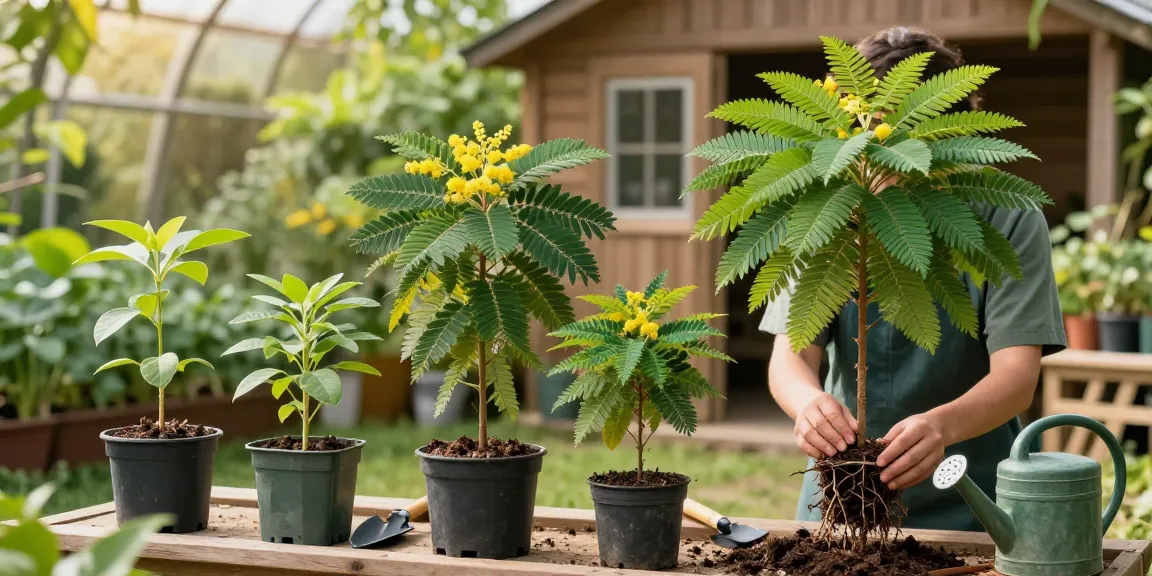
For those looking to cultivate Mimosa hostilis at home, understanding the best practices for planting and care is essential. Successful cultivation requires a certain level of knowledge regarding the plant’s specific needs and challenges.
Best Practices for Planting and Care
When starting your Mimosa hostilis garden, consider these best practices:
- Seed Preparation: Soak seeds in water for 24 hours before planting to enhance germination rates.
- Optimal Spacing: Allow ample space between plants to promote healthy air circulation and reduce the risk of disease.
- Regular Monitoring: Check for signs of pests and diseases regularly to address issues before they escalate.
Optimal Soil and Environmental Conditions
Mimosa hostilis thrives in well-draining soil enriched with organic matter. Ideally, the soil pH should be slightly acidic to neutral. Adequate sunlight is essential, as the plant favors warm temperatures and plenty of indirect light. Additionally, maintaining humidity levels can significantly boost the plant’s growth.
Common Challenges in Cultivation
While growing Mimosa hostilis can be rewarding, there are challenges to consider:
- Pests: Common pests include aphids and spider mites, which can be managed through natural remedies or organic pesticides.
- Soil Issues: Poor drainage can lead to root rot, so it’s vital to ensure proper soil conditions.
- Climate Sensitivity: Mimosa hostilis is sensitive to frost; thus, it’s best suited for warmer climates or indoor cultivation in cooler regions.
Mimosa Hostilis Root Bark for Sale: Market Insights
The market for Mimosa hostilis root bark has evolved significantly in recent years, driven by increased interest in herbal remedies and natural products. Understanding current trends can help buyers make informed decisions.
Current Trends in the Mimosa Hostilis Market
The rise of herbal medicine and interest in natural beauty products has led to a surge in the demand for Mimosa hostilis root bark. As a result, numerous suppliers have emerged, each offering a variety of products ranging from raw bark to finely ground powder for various applications.
Identifying Quality Product Sources
When purchasing Mimosa hostilis root bark, it is vital to identify reputable sources that provide high-quality products. Look for suppliers that offer:
- Laboratory testing to confirm the purity of their products.
- Transparency regarding their sourcing practices.
- Detailed product descriptions that include information on processing methods.
Comparing Pricing Across Retailers
Pricing for Mimosa hostilis root bark can vary significantly depending on the supplier, quality, and form (whole bark vs. powdered). It’s advisable to compare prices across multiple retailers while factoring in shipping costs and product quality.
Practical Applications of Mimosa Hostilis Root Bark
As a versatile ingredient, Mimosa hostilis root bark boasts a variety of practical applications across different fields. Its multifaceted nature makes it a valuable addition to numerous projects.
Cosmetic and Health Uses
In the beauty industry, Mimosa hostilis is commonly used in skincare formulations due to its natural exfoliating properties. It is believed to help rejuvenate skin and promote a more youthful appearance. Furthermore, its potential anti-inflammatory properties make it a sought-after ingredient in health supplements.
Utilizing in Dyeing Processes
Artisans and crafters appreciate Mimosa hostilis for its ability to produce deep, rich colors during natural dyeing. The process is relatively simple and can yield beautiful results on various fabrics, including cotton, silk, and wool.
Preparation Techniques for Best Results
When preparing Mimosa hostilis for its various uses, consider the following techniques:
- For Dyes: Boil the bark in water to extract the dye, adjusting the temperature and time to achieve the desired shade.
- For Powders: Finely grind the bark using a mortar and pestle or a spice grinder for cosmetics or as dietary supplements.
Future of Mimosa Hostilis Cultivation (2026 and Beyond)
The future of Mimosa hostilis cultivation looks promising, with innovations and trends paving the way for enhanced sustainability and product quality.
Emerging Cultivation Techniques
Advancements in agricultural practices, such as hydroponics and controlled environment agriculture, are expected to improve yield and quality for Mimosa hostilis growers. These techniques can help mitigate the effects of climate change and ensure a steady supply of quality bark.
Predictions for Market Growth
Analysts predict that the market for Mimosa hostilis will continue to grow as awareness about natural products increases. This growth is likely to be fueled by the rising popularity of herbal remedies and sustainable beauty products.
Innovations in Ethical Sourcing
As consumers become more conscious of their choices, ethical sourcing practices will be at the forefront of the industry. Innovations in traceability technology, such as blockchain, may facilitate transparency in the supply chain, ensuring that consumers can trust their sources.
What are the health benefits of Mimosa Hostilis?
Mimosa hostilis is noted for potential health benefits such as anti-inflammatory properties, promotion of relaxation, and contributions to skin health when used in topical applications.
How can I grow Mimosa Hostilis at home?
To grow Mimosa hostilis at home, ensure you have well-draining soil, ample sunlight, and adequate humidity while monitoring for pests and diseases.
Where can I buy high-quality Mimosa Hostilis root bark?
High-quality Mimosa Hostilis root bark can be sourced from reputable suppliers who prioritize ethical practices and provide transparency regarding their products.
What are the legal considerations for purchasing Mimosa Hostilis?
Legal considerations may vary by region; it’s important to check local regulations regarding the purchase and use of Mimosa hostilis, especially in light of its psychoactive components.
How does Mimosa Hostilis compare to other botanicals?
Mimosa hostilis stands out due to its unique alkaloid profile, particularly its high DMT content, differentiating it from many other botanicals that do not contain such components.