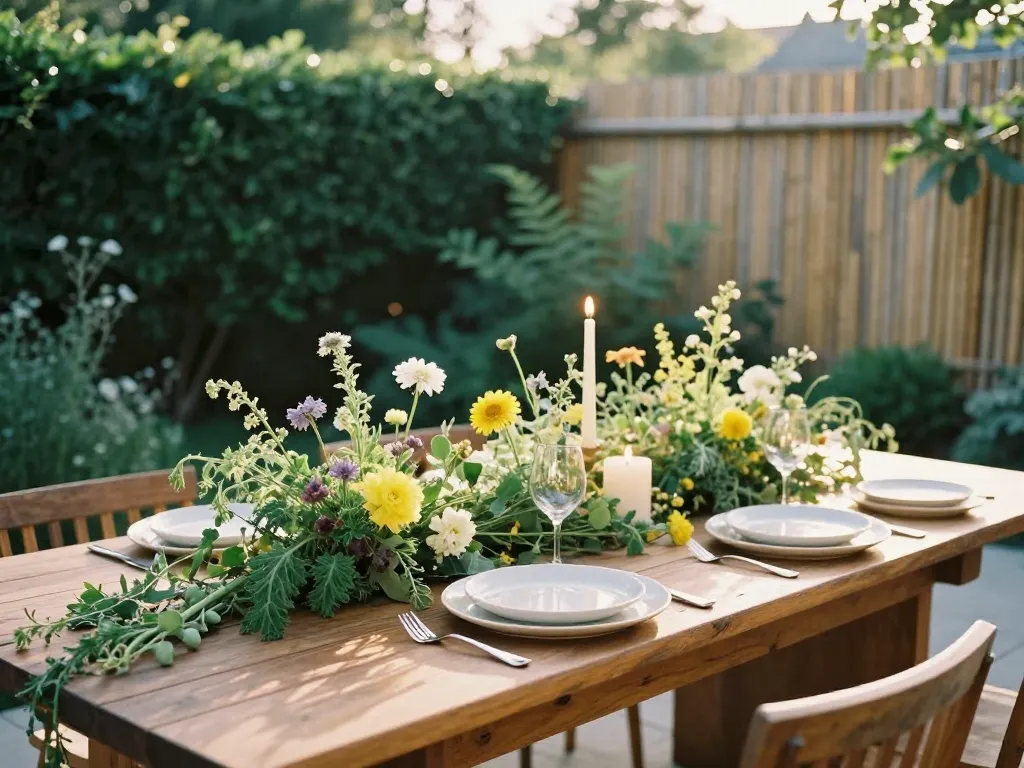
Sarah just planted a 20-foot-long mixed flower and herb bed along her backyard fence. She’s juggling a full-time job, two kids, and wants the bed to thrive without daily attention. The soil dries unevenly, and she’s tired of dragging a sprinkler around. Her neighbor suggests a soaker hose, but she’s also read about drip tape and micro-sprayers. Which setup will actually save time, water, and hassle?
Understand the challenge: what makes bed watering hard — and which solution fits
Garden beds often need consistent, slow watering at the root zone, not high-pressure spray that wets leaves and wastes water. The main problems homeowners face are: uneven coverage along long beds, clogged emitters in particulate-rich water, and the time cost of daily hand-watering. For many beds, a system that applies low pressure, delivers water slowly, and is simple to install is ideal.
Problem → Solution: matching bed size and plant type
- Short narrow beds (under 10 feet) with mixed annuals: a short length of soaker hose laid in a serpentine pattern gives quick, even coverage.
- Long linear beds (10–40 feet) with perennials or herbs: continuous soaker hose sections or parallel lines of drip tape work; soaker hoses are easiest to move or expand.
- High-value vegetable rows with precise spacing: a dedicated drip kit with emitters at each plant offers the most targeted delivery.
For Sarah’s mixed bed, a low-cost soaker hose that she can hook to a timer offers the simplest mix of coverage and convenience. In fact, many gardeners find a soaker hose is the easiest way to water garden beds when they need minimal setup and steady root-zone moisture.
Soaker hose vs. drip irrigation: practical comparison for everyday gardeners
At first glance, both systems aim to wet the root zone slowly. But their differences in installation, maintenance, and precision will determine the best pick for your situation.
FeatureSoaker HoseDrip Irrigation (emitters/tape)Installation easeVery easy — lay and connectModerate — plan layout and punch holesCostLow initial costHigher for parts and laborPrecision per plantLow — wets a bandHigh — one emitter per plantClogging riskLower — larger poresHigher — tiny emittersFlexibilityVery flexible — easy to re-routeLess flexible — more fixed once installed
Example: An Iowa homeowner with sandy soil found drip emitters needed frequent flushing because their well water contained sand. They switched to a porous soaker hose and reduced maintenance time by 60% while keeping plants healthier.
When to choose soaker hose
Choose a soaker hose when you want low upfront cost, fast installation, and broad root-zone wetting — ideal for flower beds, mixed borders, and novice DIYers. Soaker hoses are forgiving of modest water quality issues and are easy to roll up or rearrange seasonally.
When to choose drip irrigation
Pick drip systems if you have spaced vegetables or container lines where each plant needs its own emitter, if you need precise water budgets, or if you’re automating a high-value landscape. Drip systems pair well with filters and pressure regulators when the water source isn’t clean.
How to set up each system and automate it without overcomplicating things
One big reason homeowners hesitate to install irrigation is fear of complexity. But simple automation choices make both systems low-maintenance.
Soaker hose setup — step-by-step
- Lay out the hose along the bed, keeping it 2–6 inches from plant crowns for roots to access water.
- Use stakes to hold it in place and create loops every 18–24 inches for wide beds.
- Attach a faucet timer or a WiFi sprinkler timer; a WiFi timer from RainPoint can handle weekday/weekend schedules and remote adjustments when you travel.
- Run for 30–60 minutes depending on soil type (less for heavy clay, more for sandy soil) and check soil moisture 2–3 inches deep.
Example: A Denver homeowner used a RainPoint-compatible timer to run a soaker hose for 45 minutes twice a week during the growing season. The system cut their hand-watering by 90% and kept moisture levels steady through heat spells.
Drip system setup — essentials
Plan emitter spacing to match plant spacing, install a pressure regulator and filter at the faucet, and use stakes and tubing to keep lines tidy. Test each emitter for flow rate and adjust the run time based on how wet the soil becomes. Drip systems may need seasonal flushing, especially if you have iron or mineral-heavy water.
Maintenance, water savings, and troubleshooting: what to expect
Both approaches save water compared with overhead sprinklers, but performance depends on proper scheduling and upkeep. According to EPA WaterSense guidance, smart irrigation controllers paired with efficient delivery methods can save homeowners up to 15,000 gallons of water per year on a typical household’s landscape watering needs (EPA WaterSense).
Routine checks and simple fixes
- Inspect hoses and emitters monthly for leaks and UV damage; replace damaged sections.
- Flush lines at season start; use an inline filter with drip systems to prevent clogging.
- Adjust run times seasonally — reduce in cool months, increase slightly during peak heat.
Real example: A community garden in North Carolina tracked water use before and after switching to a soaker hose system on raised beds. They reported a 40% reduction in water use and fewer plant losses during a dry spell because root zones stayed consistently moist.
If you want help picking the best components for your yard’s exact needs, RainPoint acts like a scenario irrigation expert — recommending a compact soaker layout for narrow beds, a small mobile sprinkler for turf patches, or a smart timer to automate any system without daily fuss.
For guidance on how long to run your system, here’s a simple starting schedule:
Soil typeSuggested run time (per session)Sessions per weekClay20–30 minutes2–3Loam30–45 minutes2–3Sandy45–60 minutes3–4
And remember: check moisture 2–3 inches below the surface; if it’s damp, skip the next session. That simple habit prevents overwatering — a common mistake that leads to shallow roots and disease.
Interested in more hands-on layouts or parts lists for your bed length and plant types? A quick look at the soaker hose collection can show you options that fit the scale of your beds and the times when you need the least hassle: soaker hose is the easiest way to water garden beds.
If you prefer a timer to take the guesswork out of scheduling, a WiFi timer such as the RainPoint model lets you set seasonal programs, receive weather-based adjustments, and turn systems on or off from your phone — especially handy when kids or travel interrupt routines.
One small change — matching the right tool (soaker hose or drip) to the bed layout and using a simple timer — often solves the biggest watering headaches homeowners face. The result: healthier plants, less time spent with a hose, and measurable water savings.