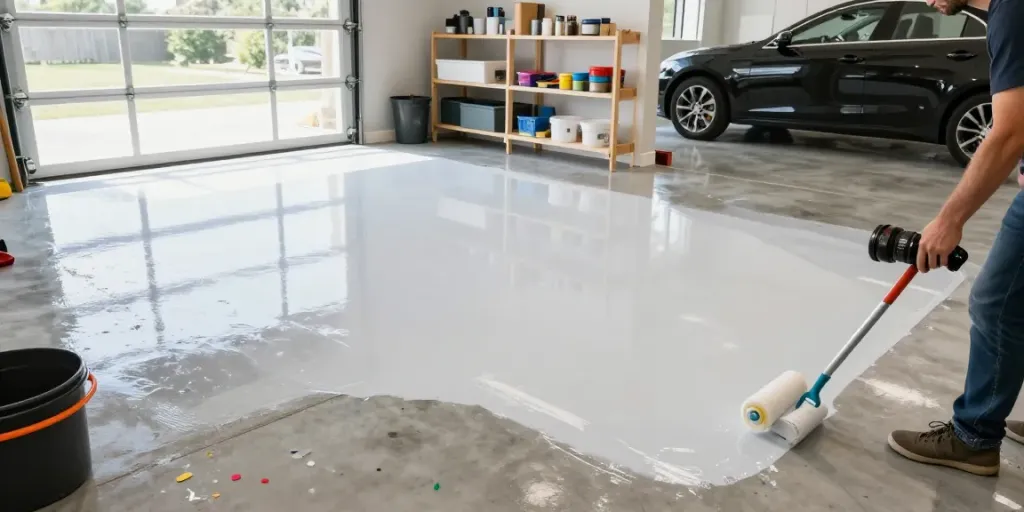
Understanding Garage Floor Coatings
Garage floor coatings transform ordinary concrete surfaces into durable, high-performance flooring solutions. As homeowners invest more in their garages—utilizing them for storage, workshops, or even living spaces—the demand for effective garage floor coatings has surged. Among the various options available, understanding the nuances of Garage Floor Coatings is crucial for making informed decisions that blend functionality with aesthetic appeal.
What Are Garage Floor Coatings?
Garage floor coatings are protective layers applied to concrete floors, aimed at enhancing their durability and appearance. They serve to shield the concrete against chemicals, stains, and physical wear while allowing for customization in terms of color and texture. Common types include epoxy, polyaspartic, and polyurethane coatings.
Types of Garage Floor Coatings Available
Choosing the right garage floor coating starts with understanding the types available on the market:
- Epoxy Coatings: Known for their robustness, epoxy coatings create a hard, glossy surface that resists abrasion and chemicals. They are ideal for heavy traffic areas.
- Polyaspartic Coatings: These coatings cure quickly and are less prone to yellowing from UV exposure, making them a great option for garages with lots of natural light.
- Polyurethane Coatings: These provide a high level of flexibility and chemical resistance, suitable for garages that may experience extreme temperature changes.
- DIY Kits: Many companies offer DIY kits that include all the necessary materials for homeowners who wish to apply their own coatings.
Benefits of Using Garage Floor Coatings
Investing in garage floor coatings offers numerous benefits, including:
- Enhanced Durability: Coated floors withstand heavy loads and resist damage from impacts, scratches, and spills.
- Aesthetic Appeal: Various colors and designs allow homeowners to personalize their space according to their tastes.
- Easy Maintenance: Coated surfaces can be cleaned easily, requiring less effort than bare concrete.
- Improved Safety: Certain coatings can provide non-slip surfaces, enhancing safety in the garage.
Choosing the Right Garage Floor Coating
Selecting the ideal garage floor coating involves several considerations which can make a significant difference in the final outcome.
Factors to Consider When Selecting
When choosing a garage floor coating, consider the following factors:
- Purpose: Identify how you will use the garage—storage, workshop, or additional living space can influence your choice.
- Traffic Levels: Determine the volume and type of traffic your garage will experience. High-traffic areas need more durable coatings.
- Climate: Local weather conditions can affect coating performance, especially in areas with large temperature fluctuations.
- Application Method: Decide whether you will hire a professional or attempt a DIY application, as this can affect the type of coating you choose.
Comparing Epoxy vs. Polyurea Coatings
While both epoxy and polyurea coatings have their advantages, they cater to different needs:
- Epoxy: Generally more affordable and excellent for moderate wear. Best used in environments where it won’t be exposed to extreme temperatures or sunlight.
- Polyurea: Superior performance in terms of flexibility, UV stability, and rapid cure times. Ideal for garages subjected to temperature variations and sunlight.
Understanding VOC-Free Options
Volatile Organic Compounds (VOCs) are often present in many conventional adhesives and coatings, leading to harmful emissions. Options that are VOC-free minimize health risks and are more environmentally friendly, making them a great choice for eco-conscious consumers.
Application Process for Garage Floor Coatings
Understanding the application process is crucial for achieving the desired results. Proper preparation and technique will ensure the longevity of your coating.
Step-by-Step Guide to Application
- Surface Preparation: Clean the concrete surface thoroughly to remove dirt, oil, and other contaminants. This may involve grinding or etching the surface.
- Repair Any Damage: Fill cracks and chips in the concrete with appropriate filler or epoxy.
- Mix the Coating: Follow the manufacturer's instructions for mixing components of the coating if applicable.
- Application: Use a roller or squeegee to apply the coating evenly across the surface.
- Curing Time: Allow the coating to cure as per the manufacturer's instructions before applying any additional layers or using the garage.
Common Mistakes to Avoid
To ensure a successful application, consider avoiding these pitfalls:
- Inadequate surface prep, which can lead to poor adhesion.
- Skipping the repair of existing damage, resulting in an uneven finish.
- Not allowing sufficient curing time, which can lead to premature wear.
Tools and Materials Needed
Gather the right tools and materials for a smooth application process:
- Concrete grinder or etcher
- Concrete filler or patching compound
- Rollers and brushes for application
- Mixing buckets and stir sticks
- Protective gear, including gloves and goggles
Maintenance Tips for Long-Lasting Coatings
Proper maintenance of garage floor coatings can significantly extend their lifespan and keep your garage looking pristine.
Cleaning and Caring for Your Garage Floor
Regular cleaning is essential. Use a broom or vacuum for debris, followed by a mop with a gentle cleaner. Avoid harsh chemicals that might damage the coating.
When to Reapply Coatings
Monitor the condition of your garage floor. If you notice fading, wear, or peeling, it may be time to reapply the coating to restore its protective qualities and appearance.
Identifying Damage and Repairing
Look for cracks, discoloration, or peeling. Depending on the severity, you can either repair specific areas or consider a complete recoat.
Future Trends in Garage Floor Coatings for 2026
As technology evolves, so too do the products and practices in garage floor coatings. Staying informed about trends can help homeowners make beneficial choices.
Innovative Technologies on the Horizon
Emerging technologies include self-healing coatings and those that incorporate nanotechnology for increased strength and durability.
Eco-Friendly Solutions and Trends
With sustainability at the forefront, more manufacturers are focusing on eco-friendly materials and practices, ensuring that fewer harmful chemicals are used in the production and application of coatings.
Predictions for Market Growth
The garage floor coating market is expected to grow steadily as more homeowners recognize the benefits of investing in high-quality flooring solutions. With increased awareness of environmental impacts, the demand for VOC-free options will likely rise.
What are the Benefits of Garage Floor Coatings?
Garage floor coatings enhance durability, aesthetic appeal, and safety. They protect against spills and stains while allowing for easy customization.
How Long Do Garage Floor Coatings Last?
The lifespan of a garage floor coating can vary based on the type used, the level of traffic, and how well maintenance is performed. Typically, epoxy coatings last between 5 to 10 years, while polyaspartic options can last even longer.
Can I Apply Garage Coatings Myself?
Yes, many homeowners successfully apply garage coatings themselves using DIY kits. However, it’s crucial to follow instructions carefully and ensure proper preparation for the best results.
What Should I Do If My Garage Floor Shows Damage?
Assess the damage first. If it’s minor, you might be able to patch it up. For more extensive issues, you may need to consider a complete reapplication of the coating.
Are There Color Options for Garage Floor Coatings?
Yes, garage floor coatings come in a wide array of colors and finishes, allowing for customization to match your style and preferences.